Two Hands Ultherapy Prime & Aesthetic Lifting Clinic in Gangnam, Seoul · 1:1 Physician Care
Ultherapy & Sofwave Specialized Clinic · Gangnam-daero
en-US

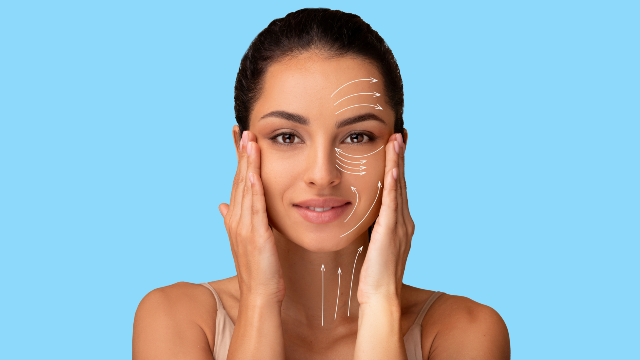
Clinical Guide
Non-Surgical Lifting in Your 30s: A Preventative Guide
A neutral guide to non-surgical lifting and skin tightening for women in their 30s: energy-based options, realistic expectations, and gradual care.
Schedule a ConsultationNon-Surgical Lifting in Your 30s: A Preventative Guide
Medically reviewed by Dr. Min Byung Yee, Chief Director and Board-Certified Family Medicine Physician, Maison de M Clinic · Last updated July 2026
Non-surgical lifting in your 30s is a topic many people begin exploring as they notice the earliest, subtle shifts in how their skin looks and feels. If you have been searching for information on preventative skin tightening in Korea or early anti-aging lifting, this guide is written for you — as a neutral overview rather than a sales pitch. It explains what non-surgical lifting generally involves, how the main energy-based technologies work, what "preventative" realistically does and does not mean, and how to set sensible expectations. Maison de M Clinic, a dermatology and aesthetic clinic in Seoul, offers a range of non-surgical lifting treatments, with the right approach for any individual decided during a consultation rather than in advance.
Why the 30s Become a Focus for Skin Care
The 30s are often when people first notice changes that were not there before: skin that looks slightly less firm at the end of the day, a jawline that is a touch softer, or fine lines that linger a little longer. These observations have a biological basis. As the National Institute on Aging explains, aging skin gradually loses elastic fibers (elastin) and collagen, the proteins that give skin its structure and stretch, and the outer layer becomes thinner and less elastic over time. This process is influenced by many factors, but ultraviolet (UV) light from the sun is a major contributor to premature skin aging, wrinkles, and changes in skin texture.
None of this means anything is "wrong" in your 30s. It simply means the decade is a natural point at which many people start thinking about skin maintenance. It is also a decade when sun protection and healthy habits do the heaviest lifting: consistent sunscreen use, avoiding tanning beds, and not smoking are among the most evidence-supported ways to protect skin, according to public health guidance. Any procedure should be seen as one part of a broader picture, not a substitute for these fundamentals.

What "Non-Surgical Lifting" Actually Means
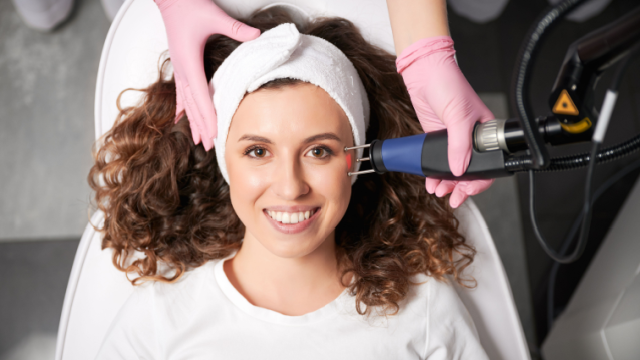
"Lifting" is a word used loosely in aesthetics, so it helps to be precise. A surgical facelift physically removes and repositions skin and tissue. Non-surgical lifting, by contrast, does not involve incisions or removing tissue. Instead, it uses energy-based devices to warm targeted layers of skin in a controlled way, with the aim of encouraging the skin's own collagen-building processes over the following weeks and months.
This is an important distinction for anyone in their 30s. Non-surgical, energy-based treatments generally produce gradual, subtle changes in skin firmness and texture rather than the dramatic repositioning a surgical lift can achieve. As Mayo Clinic notes in its overview of wrinkle treatments, energy-based resurfacing and tightening procedures can smooth and firm skin, but they cannot fix significant sagging the way surgery can. For many people in their 30s with mild, early changes, that subtlety is precisely the point — the goal is often to look refreshed and natural, not different.
It is also worth understanding the regulatory framing. Energy-based aesthetic devices — including ultrasound and radiofrequency systems — are regulated by the U.S. Food and Drug Administration (FDA) as a category of medical devices, each cleared for defined intended uses. As the FDA states plainly, an aesthetic procedure "may not always give you the results you want, the effects may be temporary, and there are risks involved." Device clearance describes how a technology is authorized to be marketed; it is not a guarantee of any specific outcome for an individual.
The Main Energy-Based Approaches: Ultrasound and Radiofrequency
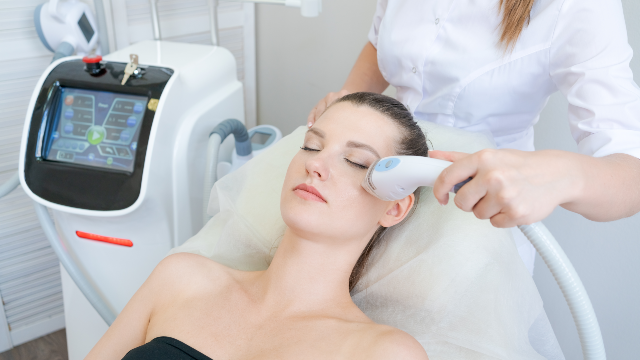
Most non-surgical lifting and skin-tightening treatments fall into two broad families: ultrasound-based and radiofrequency-based. Both aim to deliver heat to specific depths of the skin to stimulate collagen, but they do it differently.
Ultrasound-based lifting. Focused or micro-focused ultrasound delivers sound-wave energy to precise depths, sometimes including deeper support layers. As Mayo Clinic describes, cosmetic high-intensity focused ultrasound (HIFU) uses ultrasound energy to tighten sagging or loose skin by stimulating collagen growth, and cosmetic use deliberately involves lower energy than medical uses of the same technology. A peer-reviewed observational study of microfocused ultrasound with visualization, indexed by the U.S. National Library of Medicine, found that treatment did not disturb the skin's protective barrier and was associated with measurable improvements in skin elasticity at 12 and 24 weeks — a timeline that reflects how collagen remodeling works gradually rather than instantly.
Radiofrequency (RF) lifting. RF devices use electrical energy to heat the deeper layers of skin, again with the goal of stimulating collagen remodeling to improve firmness and the appearance of laxity. Because RF and ultrasound reach the skin in different ways and at different depths, clinicians sometimes discuss them as complementary tools that address different concerns.
For younger skin with early, mild changes, the emphasis is usually on gentle stimulation and skin quality rather than aggressive treatment. The choice between ultrasound, RF, or a combination — and whether any device is appropriate at all — depends on your skin, your anatomy, and your goals, and is a decision for a qualified clinician after an in-person assessment. You can arrange that assessment through Maison de M Clinic's contact page.
The "Preventative" Idea — Realistic Framing
The word "preventative" is popular in early anti-aging conversations, and it deserves honest handling. No treatment stops or prevents aging — skin will continue to change over time regardless. What people usually mean by "preventative" or "early" care is starting maintenance-style treatments while changes are still mild, in the hope of supporting skin quality gradually rather than waiting for more pronounced laxity.
That is a reasonable framing as long as it is not oversold. It is accurate to say energy-based treatments are intended to support the skin's collagen processes and firmness; it is not accurate to say they "prevent aging," "freeze" the face, or deliver permanent results. Terms like permanent, guaranteed, and risk-free have no place in a responsible discussion of aesthetic treatments, because outcomes vary between individuals and because effects of non-surgical treatments are, by their nature, not permanent.
A more useful mental model for your 30s is gradual and maintenance-oriented care: modest, incremental support over time, combined with strong sun protection and skin health basics, with treatments repeated periodically only if a clinician judges them appropriate. This is very different from chasing a dramatic single-session transformation.
Setting Realistic Expectations in Your 30s
If you are considering non-surgical lifting in your 30s, a few realistic expectations can help:
- Changes are gradual and subtle. Collagen remodeling develops over weeks to months, so early results are typically understated. This matches the research timelines seen with energy-based skin treatments.
- Results vary and are not guaranteed. Your skin, your degree of laxity, your age, your genetics, and your lifestyle all affect outcomes. Two people having the same treatment can respond differently.
- Effects are temporary. Non-surgical results fade over time, which is why maintenance is part of the conversation. There is no permanent non-surgical lift.
- There are risks and side effects. Even non-surgical treatments can cause temporary redness, swelling, or, uncommonly, other effects. These should be discussed with your clinician in advance.
- A consultation comes first. A professional assessment determines whether any treatment is suitable and, if so, which one. This is also where you discuss your medical history and any conditions that could affect treatment.
Reviewing a clinic's real patient outcomes can help calibrate expectations. Maison de M Clinic maintains a before-and-after gallery and a reviews page that can give you a more grounded sense of what non-surgical treatments tend to achieve.
Non-Surgical Lifting Options at Maison de M Clinic
Maison de M Clinic, located in Seoul's Seocho-gu district, offers a range of non-surgical lifting and skin-tightening treatments spanning both ultrasound-based and radiofrequency-based technologies, alongside skin-quality treatments. Rather than applying one fixed protocol to everyone, the clinic's stated approach is to assess each person's skin, facial structure, and goals, and then design an individualized plan — which may involve a single treatment, a combination, or simply skin-health guidance.
For someone in their 30s, that individualized approach is especially relevant, because early, mild concerns often call for a lighter touch than more advanced laxity. The clinic emphasizes that candidacy for any specific treatment is determined during consultation, taking into account your skin condition, medical history, medications, and treatment goals. Some devices have specific safety considerations — for example, certain radiofrequency systems are not appropriate for people with implanted electronic devices such as pacemakers — which is another reason a professional evaluation is essential before any plan is made.
For international patients, Maison de M Clinic provides English-language consultation and reservation support through its dedicated English website. The practical first step, and the associated cost, is a consultation, during which suitability and any recommended plan are discussed; specific treatment decisions are made with a clinician, not chosen from a menu online. You can learn about the clinic's team and standards on its About Us page.
The Bottom Line
- In your 30s, skin naturally begins to lose collagen and elasticity; non-surgical lifting is one option people explore for gradual maintenance, alongside sun protection and healthy habits.
- Non-surgical lifting uses energy-based devices (ultrasound and radiofrequency) to warm skin and encourage collagen over weeks to months — it produces subtle change, not the dramatic repositioning of surgery.
- "Preventative" realistically means starting gentle maintenance early; no treatment prevents or stops aging, and results are gradual, variable, temporary, and never guaranteed.
- Energy-based devices are FDA-cleared as a category for defined uses, which is not a guarantee of a specific outcome; every treatment carries some risk.
- Maison de M Clinic offers a range of non-surgical lifting treatments in Seoul with English-language support; suitability and specifics are decided at consultation, which is the first step and the associated cost.
Frequently Asked Questions
**Is it too early to start non-surgical lifting in my 30s?**There is no single "right" age. Many people in their 30s explore gentle, maintenance-oriented treatments while changes are mild, while others focus first on sun protection and skincare. The most reliable way to know whether any treatment is appropriate for you is a professional assessment of your skin and goals.
**Does non-surgical lifting prevent aging?**No. No treatment prevents or stops aging, and skin will continue to change over time. Energy-based treatments are intended to support the skin's collagen processes and firmness; describing them as "anti-aging" refers to that intended goal, not a guarantee of preventing change.
**How is non-surgical lifting different from a facelift?**A surgical facelift removes and repositions skin and tissue and can address significant sagging. Non-surgical lifting uses energy devices to stimulate collagen without incisions, producing subtler, gradual changes. As Mayo Clinic notes, energy-based procedures generally cannot correct significant sagging the way surgery can.
**What results can I realistically expect, and how long do they last?**Expect gradual, subtle improvements in firmness and texture that develop over weeks to months, with outcomes that vary between individuals. Non-surgical results are temporary, which is why periodic maintenance may be discussed. Nothing is guaranteed.
**Are these treatments FDA-approved?**Energy-based aesthetic devices, including ultrasound and radiofrequency systems, are regulated by the FDA as a category of medical devices cleared for defined intended uses. That is not the same as FDA approval for a specific cosmetic result, and treatments offered outside the U.S. operate under their local (Korea/KFDA) regulatory framework. All aesthetic procedures carry some risk.
**Are there risks or people who should not have these treatments?**Yes. Even non-surgical treatments can cause temporary effects such as redness or swelling, and some devices have specific contraindications — for instance, certain radiofrequency systems are not suitable for people with implanted electronic devices. A consultation reviews your medical history to determine what is safe and appropriate for you.
**What is the first step at Maison de M Clinic?**A consultation. The clinic assesses your skin, structure, and goals before recommending any plan, and provides English-language support for international patients. You can begin through the clinic's contact page.
This article is for general informational purposes and does not constitute individualized medical advice. Consult a qualified physician about your specific condition.
References
- Mayo Clinic — High-intensity focused ultrasound (HIFU)
- Mayo Clinic — Wrinkles: Diagnosis & Treatment
- National Institute on Aging (NIH) — Skin Care and Aging
- U.S. Food and Drug Administration — Aesthetic (Cosmetic) Devices
- U.S. Food and Drug Administration — Wrinkle Treatments and Other Anti-aging Products
- Kerscher M, et al. Skin physiology and safety of microfocused ultrasound with visualization for improving skin laxity. Clin Cosm
More Clinical Articles
Continue reading physician-informed guides on non-surgical lifting, skin texture renewal, and aftercare in Seoul.
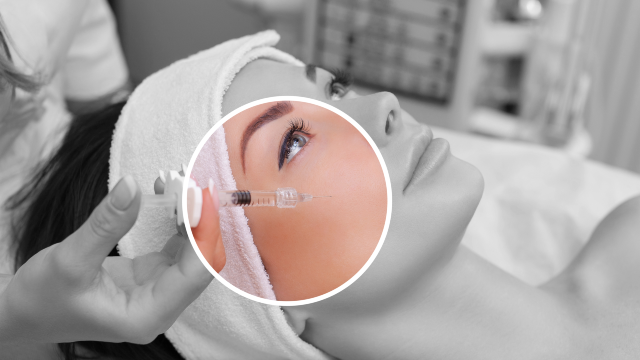
CellExosome BLACKLABEL: Exosome Skin Care at Maison de M
An evidence-cautious look at CellExosome BLACKLABEL exosome skin treatments at Maison de M Clinic in Seoul, and why exosome products are not FDA-approved.
Learn More
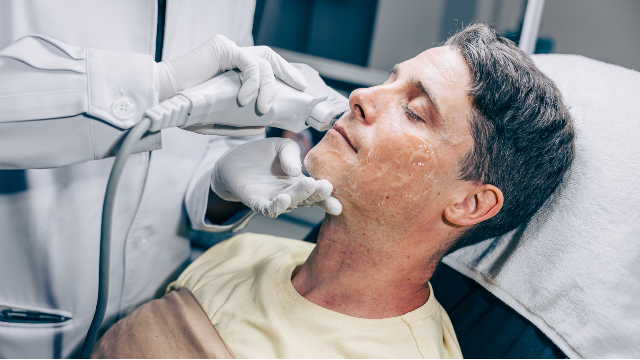
Sofwave and Thermage for Deeper Skin Tones: A Guide
How energy-based lifting devices Sofwave and Thermage work, and how clinicians tailor treatment for Latina, Mediterranean and deeper skin tones.
Learn More
Pting Laser vs CO2 Laser: Pain Scores and Recovery Benchmarks from KR
Pting Laser vs CO2 Laser: Pain Scores and Recovery Benchmarks from KR
Learn More