Two Hands Ultherapy Prime & Aesthetic Lifting Clinic in Gangnam, Seoul · 1:1 Physician Care
Ultherapy & Sofwave Specialized Clinic · Gangnam-daero
en-US


Clinical Guide
Ultherapy Prime ROI: Analyzing Long-Term Cost of Facial Lifting
Ultherapy Prime ROI: Analyzing Long-Term Cost of Facial Lifting
Schedule a ConsultationIn the hyper-competitive landscape of South Korean aesthetics, facial lifting is no longer viewed as a one-time luxury but as a strategic long-term investment in "skin capital." According to recent Korean market reports, the domestic medical aesthetic device market is projected to maintain a compound annual growth rate (CAGR) of approximately 12–15% through 2030. This growth is driven by a significant demographic shift: patients in their 30s and 40s are increasingly opting for high-tech, non-invasive procedures to avoid the high "correction costs" of invasive surgery later in life.
For both local residents and the growing number of international patients visiting Seoul, the primary concern has shifted from "What is the cheapest price today?" to "What is the total cost of maintaining my results over five years?" At Maison de M Clinic, we analyze the return on investment (ROI) of Ultherapy Prime—the next generation of micro-focused ultrasound—to help patients understand how precision technology can actually reduce the lifetime cost of aesthetic maintenance.
High-Tech Lifting in Korea: Why Precision Matters for ROI
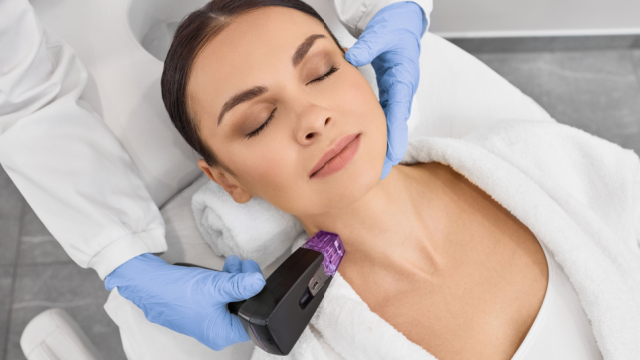
What is Ultherapy Prime and how does it differ from traditional lifting?
Traditional lifting often relied on "blind" energy delivery or invasive repositioning of tissue. Ultherapy Prime represents a shift toward "See-Plan-Treat" protocols. By using real-time ultrasound imaging, practitioners can visualize skin layers up to 8mm deep, ensuring energy is delivered precisely to the SMAS (Superficial Musculoaponeurotic System) layer without damaging surrounding tissues.
Why is the "Cost per Result" lower in Seoul clinics?
While the initial price point of a premium ultrasound lift in Korea may be higher than entry-level laser treatments, the frequency of required sessions is significantly lower. Patients typically require only one session every 12 to 18 months, compared to monthly or quarterly maintenance required by lower-intensity alternatives.
Current Standard Approaches & Their Economic Limitations
In Korea, patients seeking facial rejuvenation typically navigate three standard tiers of care. However, each comes with hidden long-term costs:
- Tier 1: Topical & Routine Aesthetic Care
- Options: High-end cosmetics, frequent facial massages, or basic laser toning.
- Limitations: Very high cumulative cost with minimal structural change to sagging skin.
- Tier 2: Temporary Injectables (Fillers & Toxins)
- Options: Hyaluronic acid fillers or botulinum toxin.
- Limitations: Effects vanish within 3–6 months; "filler fatigue" can lead to unnatural facial volumes over time, requiring expensive dissolving procedures.
- Benchmark: Frequent maintenance visits (3–4 times per year) often exceed the annual cost of a single premium lifting session.
- Tier 3: Invasive Surgical Facelifts
- Options: Full or mini-facelifts.
- Limitations: Significant upfront cost, 2–4 weeks of downtime (lost income), and potential "surgical look" risks.
Common Pain Points:
- Downtime: Traditional surgery requires significant time away from work.
- Inconsistency: Blind energy treatments can result in "cheek hollowing" if fat layers are accidentally targeted.
- Hidden Costs: The price of treating complications or "over-filled" faces often outweighs the initial savings.
The Innovative Approach: Ultherapy Prime Precision
The core of the Ultherapy Prime protocol at Maison de M Clinic is its status as a High-Precision Regenerative Aesthetic treatment.
How it Works:
Unlike lasers that target the skin surface, Ultherapy Prime uses Micro-Focused Ultrasound (MFU). It creates thermal coagulation points at specific depths. This triggers a natural wound-healing response, "kick-starting" the body to produce fresh, organized collagen and elastin.
Is Ultherapy Prime in Korea worth the cost?
Yes, for patients seeking structural lifting without surgery. While the upfront cost is higher than basic lasers, the results last 12–18 months and the "Prime" technology reduces procedure time by 20% and pain levels by approximately 30%, making it a highly efficient "one-and-done" annual investment.
Data & Outcomes: Comparing the Value Path
When we look at Korean clinical benchmarks, the "Advanced Path" focuses on biological longevity rather than temporary masking.
| Feature / Metric | Conventional Injections/Lasers | Ultherapy Prime Protocol |
|---|---|---|
| Primary Mechanism | Volume filling or surface heat | SMAS remodeling & Collagen synthesis |
| Sessions per Year | 3 – 6 sessions | 1 session |
| Result Longevity | 3 – 5 months | 12 – 18 months |
| Downtime | Low (some bruising) | Zero (immediate return to daily life) |
| Visualization | None (Blind delivery) | Real-time HD Ultrasound (DeepSee™) |
| Relative 3-Year Cost | High (Cumulative fees + time) | Optimized (One annual high-impact fee) |
Data Note: Market surveys indicate that "patient satisfaction" scores for ultrasound lifting remain significantly higher at the 6-month mark compared to traditional radiofrequency treatments due to the gradual, natural improvement in skin tension.
Local Korea Insights: The "Pali-Pali" and Tech-First Culture
The South Korean aesthetic market is defined by a high "pain-to-gain" efficiency ratio. Patients in Seoul—often referred to as the "Pali-Pali" (hurry-hurry) culture—demand treatments that offer:
- Invisible Recovery: The ability to go to dinner or work immediately after a procedure.
- Verified Technology: A strong preference for FDA-cleared devices and authentic tips.
- Naturalism: A growing trend away from the "plastic" look toward "Prejuvenation"—using regenerative tech to keep the skin's biological age younger than the chronological age.
With the Korean regenerative medicine market growing at an 18% CAGR, the integration of ultrasound planning is becoming the gold standard for savvy local consumers.
Where Maison de M Clinic Fits in Korean Aesthetic Lifting
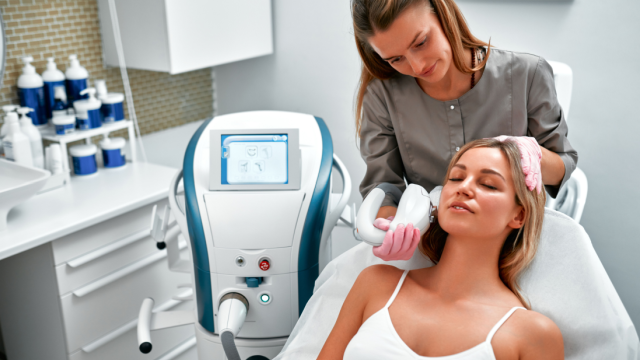
Maison de M Clinic specializes in high-precision facial contouring using the Ultherapy Prime platform. We distinguish our approach through:
- Anatomical Mapping: We do not use "template" shot patterns. Our doctors use the system’s 10x faster processing power and HD imaging to map the specific nerve pathways and fat pads of each patient.
- Expert Oversight: Our medical team, with years of experience in Korean dermatology and aesthetics, focuses on the "V-shape" contour while preserving essential malar (cheek) volume.
- International Protocol: We provide comprehensive consultations for international patients, ensuring the treatment plan accounts for their travel schedule and long-term follow-up needs.
By focusing on Ultherapy Prime, Maison de M Clinic helps patients move away from "quick fixes" toward a sustainable, tech-driven strategy for facial aging.
Conclusion
The high prevalence of aesthetic procedures in Korea has led to a more educated consumer who understands that quality and precision define long-term value. While conventional treatments offer short-term changes, they often lead to higher cumulative costs and inconsistent results. Ultherapy Prime offers a scientifically backed, minimally invasive alternative that prioritizes the body’s own regenerative power.
Patients considering Ultherapy Prime in Korea can schedule a consultation at Maison de M Clinic to discuss whether this high-precision approach is the right investment for their specific skin goals and facial anatomy.
More Clinical Articles
Continue reading physician-informed guides on non-surgical lifting, skin texture renewal, and aftercare in Seoul.
CellExosome BLACKLABEL: Exosome Skin Care at Maison de M
An evidence-cautious look at CellExosome BLACKLABEL exosome skin treatments at Maison de M Clinic in Seoul, and why exosome products are not FDA-approved.
Learn More
Sofwave and Thermage for Deeper Skin Tones: A Guide
How energy-based lifting devices Sofwave and Thermage work, and how clinicians tailor treatment for Latina, Mediterranean and deeper skin tones.
Learn More
Pting Laser vs CO2 Laser: Pain Scores and Recovery Benchmarks from KR
Pting Laser vs CO2 Laser: Pain Scores and Recovery Benchmarks from KR
Learn More