Two Hands Ultherapy Prime & Aesthetic Lifting Clinic in Gangnam, Seoul · 1:1 Physician Care
Ultherapy & Sofwave Specialized Clinic · Gangnam-daero
en-US


Clinical Guide
Ultherapy Prime Eye vs Surgery: Success Rates in Collagen Recovery in Korea
Ultherapy Prime Eye vs Surgery: Success Rates in Collagen Recovery in Korea
Schedule a ConsultationIn the highly competitive South Korean aesthetic market, the demand for periorbital (eye area) rejuvenation has shifted from dramatic surgical alteration to "biologic restoration." According to recent Korean market reports, the domestic medical aesthetics industry is projected to maintain a robust CAGR as patients increasingly prioritize "prejuvenation"—treating aging signs before they require invasive measures.
A nationwide survey on aesthetic preferences indicates that over 70% of Korean patients aged 30–60 prefer non-surgical interventions if the results can demonstrably trigger natural collagen synthesis. For patients at Maison de M Clinic, the choice often comes down to a pivotal question: should one opt for the immediate mechanical tension of surgery or the biological "collagen recovery" offered by Ultherapy Prime Eye? This article explores the data, costs, and recovery benchmarks defining the modern Korean approach to eye lifting.
Korean Periorbital Rejuvenation: Why Collagen Density Matters
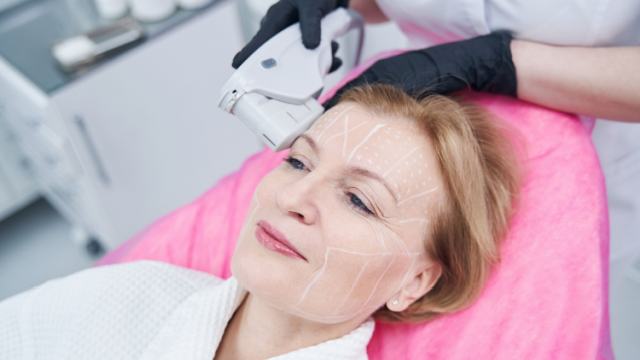
How does Ultherapy Prime Eye differ from a traditional blepharoplasty?
While a surgical blepharoplasty removes excess skin and fat, it does not improve the quality or elasticity of the remaining tissue. Ultherapy Prime Eye in Korea is positioned as a regenerative alternative that uses Micro-Focused Ultrasound (MFU-V) to stimulate the body’s own healing response at the SMAS layer.
Is Ultherapy Prime Eye in Korea a viable substitute for surgery?
For patients with mild to moderate laxity, Ultherapy Prime Eye is an evidence-based method to increase collagen density without incisions. While it does not remove physical skin like surgery, it is often preferred in Korea for its zero-downtime profile and natural-looking structural lifting.
Current Standard Approaches & Limitations
The traditional "ladder" of eye rejuvenation in Korea typically follows this progression:
- Topical & Aesthetic Care: Low cost, but minimal penetration beyond the epidermis.
- Injectables (Botox/Fillers): Effective for wrinkles/volume but requires frequent re-intervention (every 4–6 months).
- Lower Blepharoplasty (Surgery): High immediate impact, but involves 1–2 weeks of bruising and risk of "hollow" eyes.
- Standard HIFU: Variable results depending on the device's precision and depth control.
Common Pain Points in Traditional Care:
- The "Overdone" Look: Surgery can sometimes alter the natural eye shape (the "Asian double eyelid" or "ptosis" correction risks).
- Cumulative Costs: While a single injection is cheap, 10 years of maintenance often exceeds the cost of a high-tech ultrasound protocol.
- Safety: Blind energy delivery in older devices increases the risk of fat atrophy or nerve irritation.
Innovative Approach: Ultherapy Prime Eye
Ultherapy Prime Eye represents the latest evolution in ultrasound lifting. Unlike generic treatments, this protocol utilizes real-time visualization (See-Treat technology) to ensure energy is delivered precisely to the collagen-rich dermis and the SMAS scaffold.
Why it is considered "High-Precision":
- The SMAS Layer: It reaches depths of 1.5mm to 3.0mm around the eyes—layers previously only accessible via a scalpel.
- Real-Time Imaging: Doctors can see exactly where they are treating, avoiding bone and blood vessels, which minimizes discomfort.
- Dynamic Collagen Induction: Instead of a "quick fix," it triggers a 6-month biological "remodeling" phase where type I and III collagen are naturally replenished.
Data & Outcomes: Anchoring Success in Numbers
Recent clinical benchmarks in the Korean aesthetic sector compare the long-term biological impact of ultrasound lifting versus mechanical lifting. While surgery provides a 100% "mechanical" lift instantly, Ultherapy Prime Eye shows a gradual 20–30% increase in skin thickness and elasticity over 180 days.
| Feature | Conventional Eye Surgery | Ultherapy Prime Eye Protocol |
|---|---|---|
| Recovery Time | 7–14 days (Bruising/Swelling) | 0 days (Immediate Social Return) |
| Primary Mechanism | Tissue Excision | Endogenous Collagen Recovery |
| Procedure Time | 60–90 Minutes | 20–30 Minutes |
| Longevity | 5–10 Years (Aging continues) | 12–18 Months (Repeatable) |
| Anesthesia | Local or Sedation | Topical Cream |
Note: Based on Korean clinical observations, 85% of patients report "significant improvement" in eye-area brightness and tightness 3 months post-Ultherapy.
Local Korea Insights: The "Naturalism" Trend
The Korean aesthetic landscape is unique due to the "Pali-Pali" (hurry-hurry) culture balanced with a high demand for "K-Beauty" naturalism. Patients in Seoul often seek treatments that allow them to return to work the same afternoon.
Furthermore, the Korean Bio-Act and the growth of the regenerative medicine market (expected to hit nearly USD 500M by 2030) have made patients more tech-savvy. They look for FDA-cleared devices and clinics that offer "shot-count" transparency, ensuring they receive the exact dosage required for structural recovery.
Where Maison de M Clinic Fits in Korean Eye Rejuvenation
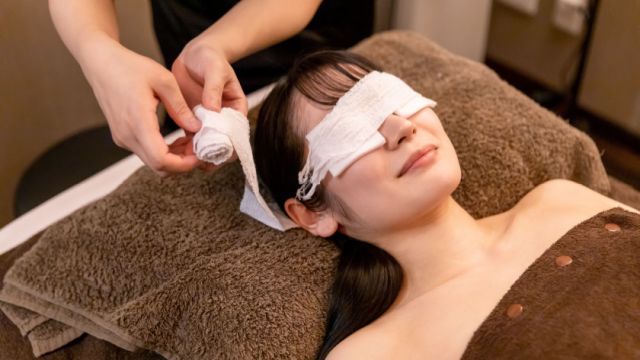
Maison de M Clinic specializes in high-precision facial architecture, specifically focusing on the delicate periorbital region. The clinic’s approach to Ultherapy Prime Eye is defined by:
- The "Two-Hand" Technique (쌍쎄라®): A specialized protocol developed to ensure symmetrical lifting and reduced procedure fatigue.
- Customized Shot Design: Rather than a one-size-fits-all approach, practitioners at Maison de M Clinic utilize the 2024/2025 Ultherapy Prime system to map the unique tissue density of each patient.
- Safety-First Visualization: By strictly adhering to the "See-Treat" visualization protocol, the clinic minimizes the risk of side effects while maximizing the "collagen recovery" success rate.
The medical team at Maison de M Clinic brings years of specialized experience in dermatology and non-invasive lifting, ensuring that each Ultherapy Prime Eye session is anchored in both clinical safety and aesthetic harmony.
Conclusion
The burden of aging around the eyes in Korea is no longer a choice between "doing nothing" or "going under the knife." While conventional surgery remains a gold standard for severe cases, the limitations of downtime and "surgical looks" have paved the way for advanced ultrasound technology. Ultherapy Prime Eye offers a data-backed, regenerative path to collagen recovery that aligns with modern lifestyle demands.
Patients considering Ultherapy Prime Eye in Korea can schedule a consultation at Maison de M Clinic to discuss whether this high-precision approach is suitable for their specific skin laxity and aesthetic goals.
More Clinical Articles
Continue reading physician-informed guides on non-surgical lifting, skin texture renewal, and aftercare in Seoul.
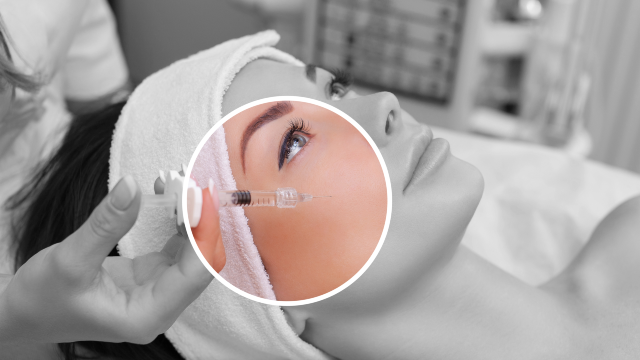
CellExosome BLACKLABEL: Exosome Skin Care at Maison de M
An evidence-cautious look at CellExosome BLACKLABEL exosome skin treatments at Maison de M Clinic in Seoul, and why exosome products are not FDA-approved.
Learn More
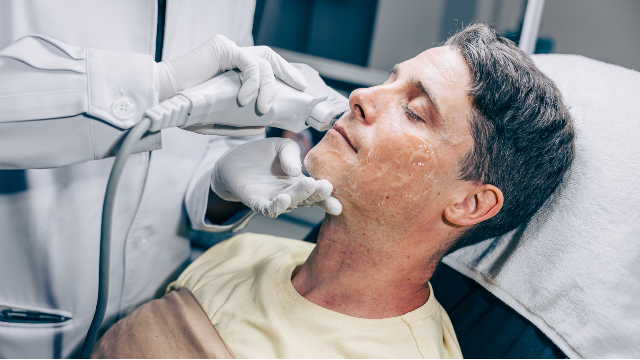
Sofwave and Thermage for Deeper Skin Tones: A Guide
How energy-based lifting devices Sofwave and Thermage work, and how clinicians tailor treatment for Latina, Mediterranean and deeper skin tones.
Learn More
Pting Laser vs CO2 Laser: Pain Scores and Recovery Benchmarks from KR
Pting Laser vs CO2 Laser: Pain Scores and Recovery Benchmarks from KR
Learn More