Two Hands Ultherapy Prime & Aesthetic Lifting Clinic in Gangnam, Seoul · 1:1 Physician Care
Ultherapy & Sofwave Specialized Clinic · Gangnam-daero
en-US


Clinical Guide
Skincare Routine After Lifting Treatment Korea - Maison de M
Follow the Maison de M Protocol - the expert skincare routine after lifting treatment in Korea for Ultraformer, Sofwave and Thermage FLX patients. Download your recovery guide.
Schedule a ConsultationIntroduction
You have invested in one of the most advanced non-surgical lifting protocols available anywhere in the world, and what you apply to your skin in the next 72 hours will directly determine how fully those results develop. The Maison de M Clinic skincare routine after lifting treatment in Korea is not generic post-procedure advice; it is a clinically structured recovery protocol built around the specific technologies used in your treatment.
Most international patients return home from Seoul with only vague instructions such as "be gentle, use SPF," and unknowingly apply products that interrupt collagen stimulation, compromise the skin barrier, or cause post-inflammatory reactions that diminish their results. If you are planning your Maison de M Clinic visit from New York or anywhere in the United States, understanding this protocol before you travel is one of the most valuable things you can do to protect your investment.
By the end of this guide, you will know:
- The exact Maison de M post-treatment skincare protocol by phase
- Which ingredients to introduce and which to eliminate, and why
- Treatment-specific aftercare for Ultraformer Prime, Sofwave, and Thermage FLX
- How to protect your skin during your long-haul flight home to the United States

Why Your Skincare Routine After Lifting Treatment in Korea Is Different
What Combination Lifting Does to Your Skin
Ultraformer Prime, Sofwave, and Thermage FLX each act on different depths of skin tissue. Ultraformer Prime targets the SMAS layer, Sofwave focuses on the mid-dermis, and Thermage FLX addresses subdermal collagen structures. When these technologies are combined in a single session, as is standard at Maison de M Clinic, they create simultaneous zones of controlled thermal activity across multiple tissue levels.
The skin's response is layered and complex: surface sensitivity, deeper collagen remodeling, and micro-inflammatory signals are all active at the same time. This is biologically different from a single HIFU or RF session, and the aftercare must reflect that complexity. The non-surgical lifting recovery skincare approach required after combination protocols is not the same as what you would follow after a standalone facial or single-modality treatment.
Standard post-treatment advice such as "use a gentle moisturizer and SPF" is designed for single-modality treatments and is genuinely insufficient for the recovery environment created by combination lifting. Applying the wrong skincare routine after lifting treatment in Korea can interrupt collagen synthesis at the exact moment your skin needs to build it.
The K-Beauty Recovery Philosophy
Maison de M Clinic's post-treatment philosophy is rooted in Korean aesthetic medicine's skin barrier-first recovery model. Where Western post-treatment protocols often focus primarily on what to avoid, K-Beauty post-treatment care actively prescribes what to introduce and in what sequence to accelerate healing and collagen synthesis.
This approach uses a layered application sequence, moving from an essence to a serum to a barrier cream, rather than relying on a single product. Each layer serves a distinct function in the recovery process. This protocol is prescribed specifically for international patients who will be managing post-treatment skincare Seoul-style while traveling thousands of miles from the clinic that treated them.
The Maison de M Post-Treatment Skincare Protocol
Phase 1: Days 1 to 3 — Barrier Protection Only
In the first 72 hours after your treatment, your skin may feel sensitive, slightly warm, and mildly swollen. You may notice some redness after lifting treatment around the treated areas. All of these are normal inflammatory responses indicating that your skin's repair process is actively underway. Your skincare goal during this phase is simple: do not disrupt it.
The only products you should be applying are a fragrance-free, low-pH gentle cleanser, a centella asiatica-based calming essence, a ceramide-rich barrier moisturizer, and a mineral SPF 50 or higher. Apply everything by pressing and patting only. No rubbing, no massage, and no stimulation of the treated areas.
If you received Thermage FLX, your skin may feel tight and warm for the full 72 hours. Do not apply cooling products, ice, or cold compresses unless specifically prescribed by your Maison de M Clinic specialist. For a complete day-by-day view of what to expect, refer to the full Ultraformer Prime recovery timeline on the Maison de M Clinic website.
Product Category | Recommended | Avoid |
|---|---|---|
Cleanser | Fragrance-free, low pH gel cleanser | Foaming, exfoliating, or oil-based cleansers |
Treatment | Centella asiatica calming essence | Vitamin C serum, niacinamide above 5%, AHA or BHA |
Moisturizer | Ceramide barrier repair cream | Retinol, peptide-heavy active formulas |
SPF | Mineral SPF 50 or higher | Chemical SPF (potential irritant on disrupted skin) |
Phase 2: Week 1 — Gentle Reintroduction
By the end of the first week, redness is typically resolving and your skin barrier is beginning to stabilize. Deeper collagen remodeling is actively underway, even if the surface appears calm. This is the phase where the right ingredients can meaningfully support your results.
You can now introduce a low molecular weight hyaluronic acid serum for deeper hydration support, panthenol (Vitamin B5) to continue healing support, and your continued mineral SPF. This is also a good week to begin the after ultherapy skincare routine your Maison de M Clinic specialist discussed with you, focusing entirely on hydration and barrier support.
For those following the Thermage FLX post op care guide: if you begin to notice early firming sensations during week one, that is the heating response converting to collagen production. Do not interpret reduced sensitivity as permission to resume active skincare ingredients. For Sofwave recovery skincare, note that Sofwave patients typically experience less surface disruption than HIFU patients, but the dermal remodeling process is equally active and the same product restrictions apply in full.
Continue avoiding retinol, AHAs, BHAs, vitamin C, physical exfoliants, and any facial massage devices or tools throughout this phase.
"Hyaluronic acid is your best friend in week one, but only the right molecular weight. Low molecular weight HA can penetrate to the remodeling zone and support the collagen environment we are actively stimulating." Dr. Ari Byun, Dermatology and Lifting Specialist, Maison de M Clinic
Phase 3: Weeks 2 to 4 — The Return of Actives
By week two, surface recovery is largely complete for most patients. However, deep collagen remodeling is at peak activity, and research shows that collagen synthesis following HIFU and RF treatments continues to peak between three and six months post-procedure. This means protecting and supporting the remodeling environment remains your highest priority.
At week two, you may safely reintroduce low-concentration niacinamide (up to five percent), peptide serums, and antioxidant formulas. At week four, stable forms of vitamin C at low concentration, gentle enzyme-based exfoliation, and Rejuran-synergistic ingredients (for patients who received Rejuran Healer at Maison de M Clinic) may be added back into your routine.
Retinol should not be reintroduced before week four at the earliest, and you should schedule your Maison de M Clinic virtual follow-up before restarting retinol after lifting treatment, particularly if you received Ultraformer Prime or Thermage FLX. Mineral SPF 50 or higher remains mandatory every morning without exception through month three.
What to Avoid After Lifting Treatment in Korea: Maison de M's Non-Negotiable Rules

Sun Exposure After Ultherapy Prime: Why UV Is Your Biggest Post-Treatment Risk
Following Ultraformer Prime treatment, your skin's melanocytes are temporarily sensitized by the thermal energy delivered to deeper tissue layers. This creates a window of heightened vulnerability to UV damage that most patients underestimate. Sun exposure after ultherapy prime treatment is the single most common cause of post-inflammatory hyperpigmentation (PIH) that Maison de M Clinic specialists observe in patients who otherwise followed their aftercare instructions correctly.
PIH risk is particularly significant for patients with Fitzpatrick skin types III through V, which encompasses a broad portion of Maison de M Clinic's Western and ethnically diverse patient base. Even patients with lighter skin tones are at elevated risk during the active remodeling window.
Mineral SPF 50 or higher must be applied every morning without exception, including on overcast days and indoors near windows, for a minimum of 90 days post-treatment. When outdoors, reapply every two hours. This is not a suggestion. SPF after HIFU treatment is a clinical requirement during the active collagen remodeling window. Managing sun exposure after ultherapy prime correctly is one of the highest-leverage decisions you will make in your recovery.
The Full Avoidance List with Clinical Reasoning
Every restriction on this list has a clinical reason behind it. Understanding the why helps you follow through even when it is inconvenient.
What to Avoid | Duration | Clinical Reason |
|---|---|---|
Retinol and Retinoids | Minimum 4 weeks | Accelerates cell turnover and disrupts the controlled repair process underway in treated tissue |
AHA and BHA Exfoliants | Minimum 3 to 4 weeks | Chemical exfoliation on sensitized post-treatment skin causes barrier disruption and potential irritation |
Vitamin C (L-Ascorbic Acid) | Minimum 2 weeks | Can cause irritation and potential discoloration on thermally disrupted skin at typical use concentrations |
Physical Exfoliation and Scrubs | Minimum 4 weeks | Direct abrasion damages micro-recovery zones and delays barrier restoration |
Strenuous Exercise | Minimum 72 hours | Raises core body temperature and counteracts thermal response management in treated tissue |
Alcohol Consumption | Minimum 5 days | Vasodilatory effect worsens swelling and dehydrates skin during the critical healing phase |
Facial Massage and Gua Sha | Minimum 4 weeks | Mechanical pressure on remodeling tissue disrupts SMAS and dermal collagen formation |
Full Coverage Makeup | Minimum 48 to 72 hours | Occlusive products increase infection risk on micro-disrupted skin surface |
Steam Rooms and Saunas | Minimum 2 weeks | Heat and humidity re-stress thermally treated skin layers and can prolong inflammatory response |
Managing Your Skin on the Flight Home and After Returning to New York
The Seoul to New York In-Flight Skincare Protocol
Airplane cabin humidity typically sits between 10 and 20 percent, which is significantly drier than the optimal post-treatment skin environment. For patients flying long-haul from Seoul Incheon to New York JFK or other US destinations, this creates a genuine recovery risk that no other skincare guide for post-lifting patients currently addresses.
Before boarding, pack a sealed travel kit that your Maison de M Clinic coordinator has reviewed. Your in-flight kit should include a barrier mist, a ceramide repair cream, mineral SPF, and a gentle low-pH cleanser in travel sizes. During the flight, apply your barrier mist every 90 minutes to prevent transepidermal water loss in the dry cabin air. Stick to barrier protection only and do not apply active serums mid-flight.
Avoid alcohol on the flight, as in-flight alcohol compounds dehydration and vasodilation on treated skin. If you have chosen a window seat, apply SPF before boarding and keep the window shade lowered throughout the flight. UV radiation penetrates aircraft windows and your treated skin remains photosensitive. Upon landing in New York, cleanse gently, reapply your full Phase 1 or Phase 2 protocol depending on your recovery day, and contact Maison de M Clinic via virtual follow-up if any unexpected reactions occurred during travel.
Your First Week Back in New York
Resume your Phase 2 protocol immediately upon returning home. Continue to avoid all active ingredients and stay consistent with your mineral SPF application. Do not visit a local New York City dermatologist for any additional treatments until your Maison de M Clinic virtual follow-up is completed, typically within five to seven days of returning home.
Notify your Maison de M Clinic specialist of any changes in skin response within the first 14 days. Our English-speaking patient coordinators are available to support your recovery remotely. The Maison de M Clinic virtual follow-up consultation is designed specifically for international patients managing their recovery from New York, Los Angeles, Chicago, Houston, and beyond.
How to Book Your Consultation at Maison de M Clinic
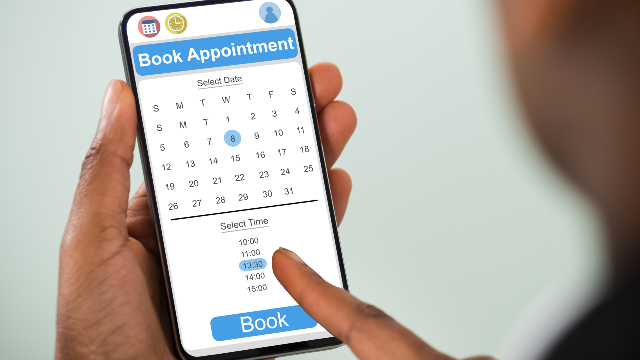
The booking process is designed with a single principle: as frictionless and pressure-free as possible. Here is how to get started.
Step 1 — Submit Your Inquiry
Reach out via email, WhatsApp, or the website contact form. Include your primary concerns, approximate age, any prior treatments, and your preferred contact method.
No photos are required at this stage. No deposit. No fee. No obligation. The intake questionnaire follows after first contact, so you do not need to prepare anything before reaching out.
Step 2 — Virtual Consultation and Personalized Quote
Your virtual consultation is scheduled with a qualified specialist at a time that works for your US time zone. The call takes 20 to 30 minutes and is conducted entirely in English via Zoom or Google Meet.
Within 24 to 48 hours of your consultation, you receive your personalized protocol recommendation and itemized cost estimate in writing. Ask any questions you have. There is no pressure to proceed, and no deposit is requested until you are ready.
For a complete walkthrough of the full process, the step-by-step booking guide for US patients covers every stage from first inquiry through treatment completion.
Contact Information
- Phone: +1 650-276-7756 (WhatsApp)
- WhatsApp: Click Here
- Email: Online Consultation
- Website: /
- Location: Seocho-gu, Seoul, South Korea
- Consultation Hours: The clinic operates from Monday to Thursday between 10:00 AM and 7:00 PM, providing consistent weekday availability. On Fridays, hours are extended until 8:00 PM for added convenience. Saturday hours are from 10:00 AM to 4:00 PM, offering limited weekend access, while the clinic remains closed on Sundays.
Conclusion
The skincare routine after lifting treatment in Korea is not optional aftercare. It is the second half of the treatment itself. What you apply and what you avoid in the weeks following your Ultraformer Prime, Sofwave, or Thermage FLX session at Maison de M Clinic will determine how fully your collagen remodeling converts into visible, lasting results that you can see and feel months after you return home.
The Maison de M Protocol gives you a phase-by-phase, ingredient-level roadmap so that you protect your investment from day one. Maison de M Clinic's team of five specialist doctors with a combined 50 or more years of lifting experience have designed this protocol specifically for international patients managing their recovery from abroad. Following this skincare routine after lifting treatment in Korea is the single most important action you can take between your treatment session and your next virtual follow-up.
Download the full Maison de M Post-Treatment Protocol PDF or book your virtual follow-up consultation to receive personalized aftercare guidance from your treating specialist. Contact Maison de M Clinic via email or WhatsApp. Our English-speaking patient coordinators are available to support your recovery from the moment you land.
About the Author
Dr. Min Byung Yee, Chief Doctor and Family Medicine Specialist
- Chief Doctor, Maison de M Clinic, Seocho-gu, Seoul, South Korea
- 15 or more years of experience in advanced lifting and anti-aging treatments
- 1,000 or more procedures performed annually across the Maison de M Clinic team
- Specialist in Ultherapy Prime and Ultraformer lifting protocols
- Expert in international patient post-treatment care and recovery management
For Consultations: | Phone: +1 650-276-7756 (WhatsApp) | Email: Online Consultation | WhatsApp: Click Here
Frequently Asked Questions
Can I use Vitamin C after lifting treatment?
Traditional L-ascorbic acid vitamin C serums should be avoided for at least two weeks. Strong antioxidant formulas can irritate thermally treated skin during the early recovery phase.
When can I start using retinol again after Ultraformer Prime or Thermage FLX?
Retinol should not be reintroduced before week four at the earliest. Maison de M Clinic recommends waiting until your virtual follow-up consultation before restarting retinoids, especially after combination lifting treatments.
Can I wear makeup after lifting treatment in Korea?
Full coverage makeup should be avoided for the first 48 to 72 hours after treatment. Light, non-occlusive mineral makeup may be approved later depending on your skin recovery progress and specialist instructions.
Is redness and swelling normal after lifting treatment?
Yes. Mild redness, warmth, tightness, and swelling are common during the first several days after treatment. These are expected inflammatory responses that indicate your skin’s repair and collagen stimulation processes are active.
Why is mineral sunscreen required after lifting treatment?
After Ultraformer Prime, Sofwave, or Thermage FLX, the skin becomes temporarily more vulnerable to UV-triggered pigmentation and inflammation. Mineral SPF 50 or higher helps protect the skin barrier and supports uninterrupted collagen remodeling.
How long should I follow the Maison de M post-treatment skincare protocol?
The full protocol should be followed for at least four weeks after your lifting treatment. However, strict mineral SPF use is required for a minimum of 90 days to protect collagen remodeling and reduce the risk of post-inflammatory hyperpigmentation.
More Clinical Articles
Continue reading physician-informed guides on non-surgical lifting, skin texture renewal, and aftercare in Seoul.
CellExosome BLACKLABEL: Exosome Skin Care at Maison de M
An evidence-cautious look at CellExosome BLACKLABEL exosome skin treatments at Maison de M Clinic in Seoul, and why exosome products are not FDA-approved.
Learn More
Sofwave and Thermage for Deeper Skin Tones: A Guide
How energy-based lifting devices Sofwave and Thermage work, and how clinicians tailor treatment for Latina, Mediterranean and deeper skin tones.
Learn More
Pting Laser vs CO2 Laser: Pain Scores and Recovery Benchmarks from KR
Pting Laser vs CO2 Laser: Pain Scores and Recovery Benchmarks from KR
Learn More