Two Hands Ultherapy Prime & Aesthetic Lifting Clinic in Gangnam, Seoul · 1:1 Physician Care
Ultherapy & Sofwave Specialized Clinic · Gangnam-daero
en-US


Clinical Guide
Radiance Toning at Maison de M: Pico-K for Pigmentation
What Radiance Toning with the Pico-K picosecond laser and Clarity Pro involves for pigmentation at Maison de M Clinic in Seoul, and what to expect
Schedule a ConsultationRadiance Toning at Maison de M: Pico-K for Pigmentation
Medically reviewed by Dr. Min Byung Yee, Chief Director and Board-Certified Family Medicine Physician, Maison de M Clinic · Last updated July 2026
Laser toning in Korea is a popular search among people looking to address uneven skin tone, and Maison de M Clinic in Seoul offers a treatment it calls Radiance Toning. For anyone researching picosecond laser pigmentation in Seoul or comparing options for melasma laser treatment, Radiance Toning combines two laser systems — the Pico-K picosecond laser and the Clarity Pro laser — with settings the clinic tailors to each person's skin type and pigmented lesions. This guide explains what the treatment involves, who tends to consider it, what to expect during and after a session, and why realistic expectations and sun protection matter. It is written neutrally: laser toning can help many pigmentation concerns, but results vary and nothing is guaranteed.
What Is Radiance Toning?
Radiance Toning is Maison de M Clinic's name for a customized toning and brightening treatment that combines the Pico-K and Clarity Pro laser platforms. According to the clinic, the wavelengths and treatment parameters are selected for each individual's skin type and the depth and type of pigmentation being addressed. The stated goal is to improve pigmentation and skin tone while limiting impact on the surrounding skin.
The two devices play complementary roles:
- Pico-K is described by the clinic as a picosecond Nd:YAG laser that delivers pulses in picoseconds (trillionths of a second). Very short pulse durations are used in aesthetics to target pigment particles.
- Clarity Pro is described as a dual-wavelength laser using 755 nm (Alexandrite) and 1064 nm (Nd:YAG) energy, which clinics apply to a range of pigmentary and vascular concerns.
By combining the two, Maison de M Clinic says it can personalize treatment based on skin type and pigment depth. Importantly, this is a laser-based skin treatment, not a medication or a guaranteed outcome — the sections below explain what that means in practice.
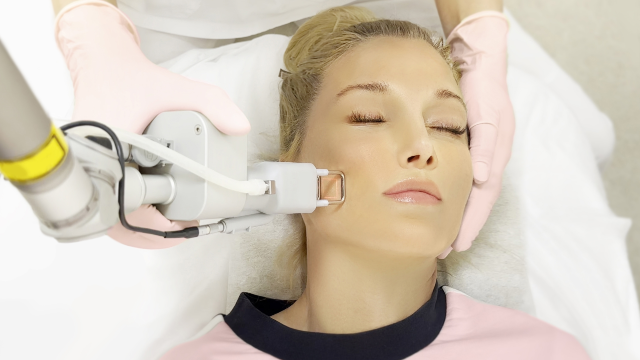
How Laser and Energy Devices Are Regulated
For readers in the United States, a brief note on regulation helps set expectations. Lasers and other energy-based aesthetic devices are regulated by the U.S. Food and Drug Administration (FDA) as a device category, and the FDA reviews medical lasers before they can be legally marketed. That is different from a claim that a particular treatment will "cure" or permanently erase pigmentation.
In other words, saying a device is FDA-cleared describes the equipment and its intended use — it does not mean any single session will remove all pigment or that results are guaranteed. This is a normal and honest way to think about aesthetic lasers: the technology is regulated, the outcomes are individual. Maison de M Clinic's own materials reflect this, noting that individual responses to laser treatment vary and that no clinic can guarantee a specific cosmetic outcome or complete removal of pigmentation after a single treatment.
What Concerns Radiance Toning May Address
According to Maison de M Clinic, people consider Radiance Toning for a range of pigmentation and tone-related concerns, including:
- Melasma and freckles
- Dull or uneven skin tone
- Blemishes and post-inflammatory hyperpigmentation (marks left after acne or irritation)
- Hyperpigmentation caused by trauma or acne scars
- Flushing and dilated blood vessels
- Enlarged pores

It helps to understand what these conditions are. As MedlinePlus explains, skin pigmentation disorders affect the color of the skin, which comes from a pigment called melanin; when pigment-producing cells make too much melanin, areas of skin darken. Mayo Clinic notes that age spots (also called sunspots or solar lentigines) are flat, darkened areas that appear on skin with the most sun exposure, and that they are caused by overactive pigment cells responding to ultraviolet light. Melasma, another common reason people seek toning, is a pigmentation pattern often influenced by sun exposure and hormonal factors and is known to be persistent and prone to recurrence.
Because different pigmentation concerns behave differently — and some can mimic more serious skin changes — a proper skin assessment is essential before any laser treatment. Mayo Clinic advises having a doctor evaluate any spot that is black, changing, growing, has an irregular border, or is bleeding, since such changes can be signs of skin cancer.
What to Expect During a Session
At Maison de M Clinic, Radiance Toning begins with a consultation and skin assessment to evaluate your skin type and pigmented lesions and to select appropriate laser settings. The clinic describes the treatment sequence as: skin assessment, customized laser settings, laser treatment using the Pico-K and Clarity Pro systems, and personalized pigmentation and brightening treatment intended to limit impact on surrounding skin.
According to the clinic, the laser portion typically takes about 20 to 30 minutes, though your total visit may be longer to allow for assessment, preparation, and aftercare. Most patients describe only mild discomfort, often a warm or light snapping sensation during treatment. You can discuss comfort measures, preparation, and scheduling before your visit through the Maison de M Clinic contact page.
To prepare, the clinic suggests attending with clean skin where possible and telling your physician about your medical history, medications, previous laser treatments, and current skincare products. It also advises avoiding excessive sun exposure or tanning before treatment, since recent sun exposure can affect skin sensitivity.
Downtime, Aftercare, and Sun Protection
Maison de M Clinic describes downtime for Radiance Toning as generally minimal. Mild redness, warmth, slight swelling, or temporary skin sensitivity may occur after treatment and usually settles within a few hours to a few days depending on individual skin sensitivity. As with any laser procedure, the clinic notes a small risk of temporary pigmentation changes, prolonged redness, or irritation, which is one reason a pre-treatment consultation is important.
Sun protection is central to both results and skin health after any pigmentation treatment. Ultraviolet light drives melanin production, which can darken existing pigmentation and encourage new spots. The U.S. Centers for Disease Control and Prevention (CDC) recommends a layered approach: broad-spectrum sunscreen (SPF 15 or higher, applied generously and reapplied), protective clothing, shade, and sunglasses, and notes that UV rays are strongest from roughly 10 a.m. to 4 p.m. Mayo Clinic similarly emphasizes daily broad-spectrum sunscreen and sun avoidance to help prevent pigmentation from returning after treatment. Following the clinic's specific aftercare instructions — including diligent sun protection — supports the treated skin.
Results, Sessions, and Realistic Expectations
Pigmentation treatment is rarely a single-visit fix. Maison de M Clinic states that some patients notice brighter, clearer skin within a few days, while pigmentation and overall tone continue to improve gradually with subsequent treatments, and that the number of sessions depends on the individual concern. This is consistent with how pigmentation is generally understood: conditions such as melasma are prone to recurrence, and multiple sessions plus ongoing sun protection are commonly part of the picture.
The clinic is explicit that individual responses vary and that no clinic can guarantee a specific cosmetic outcome or complete removal of pigmentation, especially after a single treatment. Terms like "permanent," "guaranteed," or "risk-free" are not appropriate for laser toning, and Maison de M Clinic does not use them. A consultation is the right place to discuss what is realistic for your skin, how many sessions might be suggested, and how to maintain results. You can view patient experiences and outcomes on the clinic's before-and-after page.
Is Radiance Toning Right for You?
Radiance Toning may be worth discussing if you are bothered by pigmentation, uneven tone, dullness, redness, or related concerns and are looking for a non-surgical, in-office laser option. It may not be appropriate if you have an active skin infection, open wounds, significant sunburn, or other skin conditions that could interfere with laser treatment; the clinic determines suitability during the consultation. If you are pregnant, have a history of unusual scarring, or take medications that increase light sensitivity, tell your physician, as these factors influence planning. Ultimately, whether any laser treatment suits your skin is a decision to make with a qualified clinician after an in-person assessment.
Combining Radiance Toning With Other Treatments
According to Maison de M Clinic, Radiance Toning may be combined with other skin-rejuvenation treatments when appropriate, based on your skin condition and goals. Whether combining treatments makes sense — and in what order or spacing — is a clinical decision made after assessment, not something to assume in advance. Some patients ask about pairing toning with skin boosters or other in-office procedures; the physician will advise whether a combination is suitable for you and how to sequence sessions safely. The guiding principle is the same as with the toning treatment itself: personalization, realistic expectations, and no guaranteed outcome.
It is also reasonable to ask how Radiance Toning differs from other laser or light approaches you may have read about. Maison de M Clinic frames this as a matter of matching the technology to the concern: the physician recommends whether this combined picosecond-plus-dual-wavelength approach or a different laser treatment is more appropriate for your specific pigmentation, tone, redness, or pore concerns. That recommendation depends on your skin type, the depth and type of pigment, and your history — which is exactly why an in-person assessment matters more than any generic comparison.
Planning a Visit as an International Patient
Maison de M Clinic is a dermatology and aesthetic clinic in the Seocho-gu district of Seoul, near Sinnonhyeon and Gangnam stations, and it maintains a dedicated English-language service for international patients. That includes online consultation before you travel, so you can share photos of your skin concerns and relevant history and receive preliminary guidance. For a standalone laser toning treatment, the clinic suggests that many international patients find a short stay of a few days sufficient for consultation, treatment, and a brief follow-up if recommended, though your physician will advise based on your plan. Because pigmentation treatment is often gradual and may involve more than one session, it is worth discussing timing and any follow-up expectations before booking travel. You can learn more about the clinic and its team on the about page and start a conversation through the contact page.
The Bottom Line
- Radiance Toning combines the Pico-K picosecond laser and Clarity Pro at Maison de M Clinic in Seoul, with settings customized to your skin type and pigmentation.
- Lasers are FDA-regulated as a device category, which describes the equipment and its intended use — it is not a promise of a specific or permanent result.
- Results vary and multiple sessions are common; pigmentation such as melasma can be persistent and prone to recurrence.
- Sun protection is essential before and after treatment, since UV exposure can darken pigmentation and trigger new spots.
- A consultation and skin assessment come first to confirm suitability, rule out concerning changes, and set realistic expectations.
Frequently Asked Questions
**What is Radiance Toning?**It is Maison de M Clinic's customized toning and brightening treatment that combines the Pico-K picosecond Nd:YAG laser and the Clarity Pro dual-wavelength laser, with wavelengths and settings tailored to each person's skin type and pigmentation.
**Does laser toning remove pigmentation permanently?**No treatment can be described as permanent or guaranteed. The clinic states that individual responses vary and that complete removal of pigmentation cannot be guaranteed, especially after one session. Pigmentation such as melasma is known to recur, which is why sun protection and possible maintenance are important.
**How many sessions will I need?**It depends on your specific concern and how your skin responds. The clinic notes that improvement is often gradual across multiple sessions and that a personalized plan is set during consultation.
**Is it painful, and is there downtime?**Most patients report only mild discomfort, often a warm or light snapping sensation. Downtime is generally minimal; mild redness, warmth, or sensitivity may occur and typically settles within hours to a few days.
**How should I care for my skin afterward?**Follow the clinic's aftercare instructions and protect your skin from the sun. The CDC recommends broad-spectrum sunscreen (SPF 15 or higher), protective clothing, shade, and sunglasses, and avoiding peak UV hours. Avoid tanning and anything that irritates the treated skin for the period your physician advises.
**Can Radiance Toning treat melasma?**The clinic lists melasma among the concerns people seek it for. Melasma is often influenced by sun and hormonal factors and tends to be persistent, so realistic expectations, multiple sessions, and consistent sun protection are important. A physician will assess whether this or another approach suits you.
**Who should avoid the treatment?**The clinic advises postponing if you have an active skin infection, open wounds, significant sunburn, or other skin conditions that could interfere with laser treatment. Suitability is confirmed during consultation.
**How much does it cost, and is English support available?**Cost is discussed during a personalized consultation. Maison de M Clinic provides English-language support and online consultation for international patients, so you can review your concerns before traveling to Seoul.
This article is for general informational purposes and does not constitute individualized medical advice. Consult a qualified physician about your specific condition.
References
- MedlinePlus (U.S. National Library of Medicine) — Skin Pigmentation Disorders
- Mayo Clinic — Age spots (liver spots), Symptoms and causes
- U.S. Food and Drug Administration — Medical Lasers
- American Society of Plastic Surgeons — Laser Skin Resurfacing
- U.S. Centers for Disease Control and Prevention — Sun Safety Facts
More Clinical Articles
Continue reading physician-informed guides on non-surgical lifting, skin texture renewal, and aftercare in Seoul.
CellExosome BLACKLABEL: Exosome Skin Care at Maison de M
An evidence-cautious look at CellExosome BLACKLABEL exosome skin treatments at Maison de M Clinic in Seoul, and why exosome products are not FDA-approved.
Learn More
Sofwave and Thermage for Deeper Skin Tones: A Guide
How energy-based lifting devices Sofwave and Thermage work, and how clinicians tailor treatment for Latina, Mediterranean and deeper skin tones.
Learn More

Pting Laser vs CO2 Laser: Pain Scores and Recovery Benchmarks from KR
Pting Laser vs CO2 Laser: Pain Scores and Recovery Benchmarks from KR
Learn More