Two Hands Ultherapy Prime & Aesthetic Lifting Clinic in Gangnam, Seoul · 1:1 Physician Care
Ultherapy & Sofwave Specialized Clinic · Gangnam-daero
en-US

Clinical Guide
Pting Laser vs CO2 Laser: Pain Scores and Recovery Benchmarks from KR
Pting Laser vs CO2 Laser: Pain Scores and Recovery Benchmarks from KR
Schedule a ConsultationSkin resurfacing and advanced anti-aging treatments have seen explosive growth in South Korea, driven by a consumer base that highly prioritizes rapid recovery, minimal downtime, and high-precision clinical outcomes. A common dilemma facing both clinicians and patients navigating the Korean aesthetic market is selecting between traditional ablative technologies and next-generation resurfacing modalities.
Specifically, comparing traditional Carbon Dioxide (CO2) lasers with newer systems like the PTING Laser reveals significant shifts in clinical recovery timelines and patient-reported discomfort. Understanding the quantifiable differences in pain scores, re-epithelialization (the process of skin healing and closing a wound), and post-procedure downtime is essential for choosing the right treatment.
Laser Resurfacing in Korea: Pain, Recovery, and Treatment Longevity
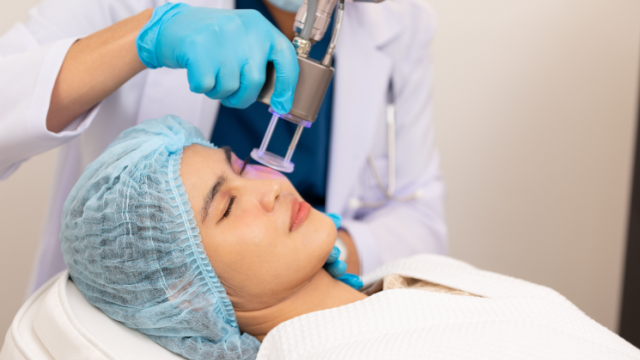
When selecting an advanced dermatological intervention, patients frequently prioritize two practical factors: how much the procedure will hurt, and how quickly they can resume daily activities like wearing makeup or returning to work. Traditional CO2 laser therapy has long been the clinical standard for deep scar revision and dramatic tissue remodeling, but it comes with known physiological trade-offs. The PTING Laser has emerged as an alternative engineered to minimize these specific barriers.
[Patient Influx] ──> [Traditional CO2] ───> High Thermal Damage ──> 7-14 Day Downtime ──> [PTING Laser] ───> Fractionated Energy ──> 2-4 Day Downtime
Is PTING Laser in Korea worth the cost over traditional options?
Yes. While traditional CO2 lasers feature lower upfront per-session pricing, they require significant post-treatment downtime and carry a higher risk of post-inflammatory hyperpigmentation (PIH) in Asian skin phenotypes. The PTING Laser utilizes a precise energy delivery profile that substantially lowers pain scores and accelerates wound healing, reducing overall indirect costs such as missing work or purchasing extensive post-procedure rescue topicals.
Standard Thermal Resurfacing Approaches and Their Clinical Limitations
Traditional laser resurfacing in Korea primarily relies on conventional fractional or fully ablative CO2 lasers. These systems operate at a wavelength of 10,600 nm, targeting water molecules within the cutaneous tissue to cause rapid vaporization of old or damaged cells. While highly effective for severe acne scarring and deep rhytids (wrinkles), this approach presents distinct challenges in everyday clinical practice.
- Standard Interventions: Fully ablative CO2 laser resurfacing, standard fractional CO2 resurfacing, and aggressive chemical peeling.
- Utilization and Cost Benchmarks: In typical Seoul-based dermatology practices, conventional fractional CO2 treatments range from ₩150,000 to ₩400,000 per session. Patients generally require 3 to 5 sessions spaced 4 to 6 weeks apart, frequently combined with specialized post-laser regenerating serums.
- Common Pain Points:
- Prolonged Erythema and Edema: Redness and swelling regularly persist for 7 to 14 days due to extensive lateral thermal diffusion (heat spreading to surrounding healthy skin).
- Elevated Pain Profile: Patients frequently report high discomfort levels during and immediately after the procedure, often requiring compounded topical anesthetics or nerve blocks.
- PIH Risks: East Asian skin types possess active melanocytes that react sharply to excessive thermal stress, leading to a higher incidence of rebound hyperpigmentation if post-care protocols are breached.
The Technology Behind PTING Laser Systems
The PTING Laser introduces a high-precision, fractionated approach engineered specifically to resolve the thermal limitations of older laser systems. Rather than applying a broad, continuous wave of thermal energy that damages neighboring healthy tissue, the PTING Laser utilizes an intelligent pulse distribution network. This mechanism creates microscopic treatment zones (MTZs) while leaving surrounding skin structures completely intact.
Traditional CO2 Laser Beam: [====== Broad Thermal Footprint ======] -> High Pain/Downtime
PTING Laser Micro-Pulses: [ | ] [ | ] [ | ] [ | ] [ | ] -> Intact Tissue Bridges
This precision architecture triggers a rapid healing response. Because the intact tissue bridges between the micro-beams contain viable cells, skin cells quickly migrate across the treated zones to speed up healing. Consequently, the PTING Laser delivers deep tissue stimulation and initiates collagen synthesis without causing macroscopic open wounds, resulting in a safer treatment option for skin rejuvenation.
Quantitative Benchmarks: Pain Scores and Recovery Timelines
Data from Korean dermatological evaluations highlight a clear divergence in recovery metrics and patient comfort between these two modalities. Clinical tracking emphasizes that reducing the initial thermal footprint directly impacts how a patient experiences pain and recovers over the subsequent week.
| Clinical Parameter | Traditional CO2 Laser | PTING Laser System |
|---|---|---|
| Mean Pain Score (Visual Analog Scale 1-10) | 6.8 to 8.2 (Moderate to Severe) | 2.1 to 3.4 (Mild, Highly Tolerable) |
| Initial Re-epithelialization Window | 5 to 8 Days | 24 to 48 Hours |
| Duration of Social Downtime | 7 to 14 Days (Oozing, Crust Formation) | 2 to 4 Days (Mild Erythema) |
| Risk Matrix for Post-Laser PIH | Elevated in Fitzpatrick Skin Types III-V | Minimal due to Sub-Ablative Pulse Modes |
| Primary Post-Procedure Symptoms | Intense burning, weeping, desquamation | Transient warmth, mild dry tightness |
Visualizing the standard recovery curve reveals that the PTING Laser system allows patients to cross the functional healing threshold much faster than conventional treatments
Managing Recovery Expectations in the Korean Aesthetic Market
Korean aesthetic consumers are globally recognized for demanding fast results with minimal visual downtime. The local trend has shifted decisively away from hidden, multi-week recoveries toward subtle, high-efficiency procedures that fit seamlessly into busy professional schedules.
Furthermore, because East Asian skin contains higher melanin content than lighter skin types, minimizing unnecessary inflammation is a clinical priority to prevent long-term discoloration. The PTING Laser aligns with these local preferences by delivering consistent skin-remodeling results while reducing the risk of inflammatory side effects.
Where Maison de M Clinic Fits in Advanced Skin Resurfacing
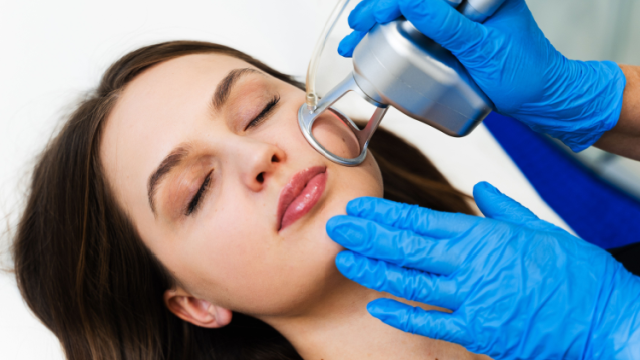
Maison de M Clinic addresses these patient priorities by utilizing advanced, low-downtime skin therapies tailored to individual skin profiles. Rather than relying on aggressive, one-size-fits-all ablative protocols, the medical team at Maison de M Clinic uses customized energy settings to optimize tissue regeneration while protecting the skin barrier.
The clinic’s skin resurfacing protocols are overseen by credentialed dermatological specialists with extensive experience treating Asian skin types. By matching precise clinical parameters to the patient's specific skin thickness, hydration levels, and scarring depth, Maison de M Clinic maximizes the efficacy of the PTING Laser. Comprehensive pre-treatment skin analysis and targeted post-procedure recovery care ensure that patients experience comfortable, predictable, and efficient healing.
Conclusion
While traditional CO2 lasers remain an effective tool for deep tissue remodeling, their long recovery times and higher pain scores present clear challenges for active individuals. Clinical data shows that fractionated technologies like the PTING Laser provide a more comfortable alternative, significantly lowering patient discomfort and shortening the recovery window to just a few days.
Patients considering advanced skin resurfacing can schedule a consultation at Maison de M Clinic to discuss whether the PTING Laser is the right fit for their unique skin goals and lifestyle.
More Clinical Articles
Continue reading physician-informed guides on non-surgical lifting, skin texture renewal, and aftercare in Seoul.
CellExosome BLACKLABEL: Exosome Skin Care at Maison de M
An evidence-cautious look at CellExosome BLACKLABEL exosome skin treatments at Maison de M Clinic in Seoul, and why exosome products are not FDA-approved.
Learn More
Sofwave and Thermage for Deeper Skin Tones: A Guide
How energy-based lifting devices Sofwave and Thermage work, and how clinicians tailor treatment for Latina, Mediterranean and deeper skin tones.
Learn More
Pting Laser vs CO2 Laser: Pain Scores and Recovery Benchmarks from KR
Pting Laser vs CO2 Laser: Pain Scores and Recovery Benchmarks from KR
Learn More