Two Hands Ultherapy Prime & Aesthetic Lifting Clinic in Gangnam, Seoul · 1:1 Physician Care
Ultherapy & Sofwave Specialized Clinic · Gangnam-daero
en-US


Clinical Guide
Fascella Non-Invasive Fascia Lifting at Maison de M
Discover how Fascella, a non-invasive energy-based fascia lifting treatment at Maison de M Clinic in Seoul, works, and its realistic limits.
Schedule a ConsultationFascella Non-Invasive Fascia Lifting at Maison de M
Medically reviewed by Dr. Min Byung Yee, Chief Director and Board-Certified Family Medicine Physician, Maison de M Clinic · Last updated July 2026
Fascella lifting Korea has become a common search for people exploring non-surgical ways to address early skin laxity and skin quality. Fascella is a non-invasive fascia lifting treatment offered at Maison de M Clinic in Seoul, South Korea, within its skin-rejuvenation portfolio. As an energy-based, device-driven approach, non-invasive fascia lifting Seoul treatments like this aim to work beneath the skin's surface without surgery or incisions. This guide explains what a fascia lifting treatment generally involves, how energy-based devices are understood to work, who might be a candidate, what to expect for downtime, and the honest limits of what a non-surgical treatment can achieve.
The information here is neutral and factual. Energy-based treatments produce gradual results that vary from person to person, and no outcome is guaranteed. The exact Fascella protocol and whether it suits you are matters to confirm during a professional consultation at the clinic.
What Is Non-Invasive Fascia Lifting?
The word "fascia" refers to the connective-tissue layers beneath the skin. In aesthetic medicine, "non-invasive fascia lifting" describes energy-based treatments that aim to deliver controlled heat or energy to deeper skin and connective-tissue layers to encourage tightening and collagen remodeling, without cutting the skin.
Fascella belongs to this broad category of non-surgical, energy-based skin treatments. Maison de M Clinic describes Fascella as a non-surgical treatment used within its skin-rejuvenation range, grouped with treatments aimed at improving skin texture, pores, acne scars, skin tone, and skin clarity while keeping downtime minimal. The clinic confirms these general treatment goals; specific device parameters and the detailed protocol are confirmed at the clinic level during consultation.
It helps to understand where a treatment like this sits among the wider family of energy-based devices. Mayo Clinic describes non-ablative approaches that stimulate collagen by warming the deeper layers of skin without removing the outer layer, noting that recovery tends to be faster but the results are more subtle than more aggressive procedures.
How Energy-Based Fascia Lifting Generally Works
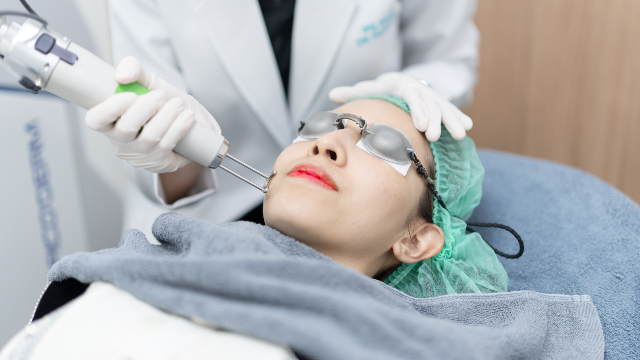
Energy-based aesthetic devices generally rely on the same broad principle: delivering controlled energy into the skin to create a healing and remodeling response. Two of the most studied energy types in this space are focused ultrasound and radiofrequency, and the published literature on them illustrates the general mechanism that non-invasive lifting treatments share.
- Controlled heating. In radiofrequency-based approaches, studies describe heating the dermis to partially contract and remodel collagen, which is associated with a tightening effect over time.
- Targeted deeper energy. Micro-focused ultrasound studies describe delivering energy to deeper layers, including the reticular dermis and the connective-tissue plane, to prompt collagen remodeling while sparing the skin surface.
- Gradual collagen remodeling. In both cases, the visible change is not immediate. New collagen forms over weeks to months, which is why results build gradually.
A systematic review of micro-focused ultrasound for skin rejuvenation and tightening reported that improvements in the mid and lower face could be achieved with energy-based treatment, with gradual results. A separate retrospective study of combined high-intensity focused ultrasound and radiofrequency reported that most treated patients showed clinically assessed improvement in skin tightening, with transient redness the most common side effect. These studies describe the general category of energy-based lifting rather than the Fascella device specifically, but they explain why such treatments are approached as gradual, non-surgical options.
Who May Be a Candidate
Non-invasive fascia lifting is generally considered by adults with mild to moderate concerns who prefer a non-surgical option and understand that results are gradual and modest compared with surgery. Based on how energy-based skin treatments are typically discussed, a fascia lifting treatment such as Fascella may be considered for people seeking:
- Improvement in skin texture and skin clarity
- Refinement in the appearance of pores
- Support for acne-scar and skin-tone concerns
- A non-surgical option with minimal downtime
Energy-based treatments are not appropriate for everyone. Treatment is generally postponed for people with active skin infection, open wounds, or significant inflammatory skin conditions in the treatment area, and for those with certain uncontrolled medical conditions. People who are pregnant or breastfeeding, or who have recently had other cosmetic procedures, should discuss timing and suitability with a physician first.
At Maison de M Clinic, suitability is determined through a physician consultation that assesses your skin condition, facial anatomy, treatment history, goals, and expectations before any plan is recommended. You can read about the clinic's medical team on the Maison de M Clinic About Us page.
What to Expect: Session, Comfort, and Downtime
Because the detailed Fascella protocol is confirmed at the clinic, the description here reflects how non-invasive, energy-based skin treatments are generally experienced.
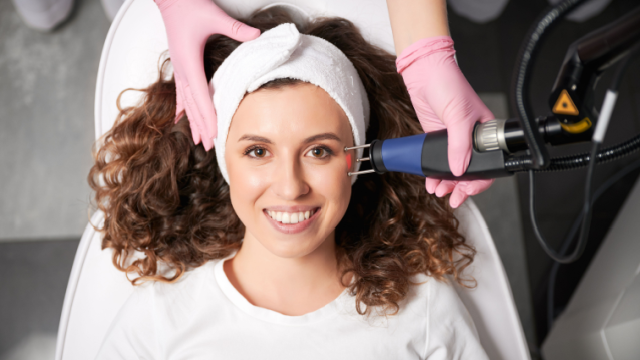
A typical energy-based session begins with cleansing and an assessment of the treatment area. A topical numbing cream may be applied to improve comfort. During treatment, an energy-delivering handpiece is applied to the skin in the mapped area. Comfort levels vary; energy-based treatments are often described as ranging from mild to moderate sensation, and clinics take steps such as cooling and topical anesthetic to help.
Downtime for non-invasive energy-based treatments is usually short. It is common to experience temporary redness, mild swelling, or sensitivity for a day or a few days. Depending on the treatment intensity and type, other short-lived skin reactions can occur and typically settle within about a week. Most people can return to normal daily activities soon after treatment while following the aftercare guidance their physician provides, such as sun protection and gentle skin care.
It is worth noting that energy-based devices are medical treatments and carry risks. The FDA has issued safety information about certain energy-based procedures, for example noting that complications such as burns or scarring have been reported with certain uses of radiofrequency microneedling devices. Choosing a qualified medical setting and following pre- and post-treatment instructions are important parts of reducing risk.
Results Timeline and Honest Limits
Realistic expectations matter with any non-surgical treatment. Energy-based fascia lifting is intended to encourage gradual tightening and skin-quality improvement, not to reproduce the results of a surgical facelift. As Mayo Clinic notes, non-ablative energy treatments tend to give more subtle results and often require repeated sessions.
With energy-based lifting, initial changes in skin texture may be noticeable within a few weeks, while collagen remodeling continues over roughly the following two to three months. The degree of improvement, how long it lasts, and how many sessions are appropriate vary considerably between individuals depending on age, skin condition, and skin-care habits. Periodic maintenance treatments may be recommended. No specific result, duration, or number of sessions can be promised in advance.
Regarding regulatory status, it is accurate to say that energy-based aesthetic devices are cleared by the U.S. FDA as a device category for certain aesthetic uses. That is not the same as a specific product being "FDA-approved" for a particular outcome, and U.S. consumers should not read device clearance as a guarantee of results. The device used, its documented profile, and the plan for you are most appropriately explained by a physician at consultation.
How Fascella Fits Among Other Skin Treatments
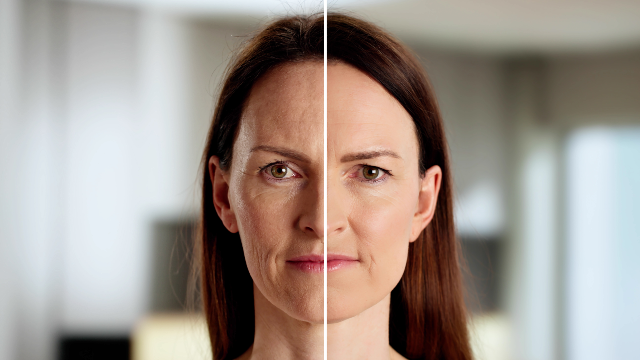
Non-invasive fascia lifting is one option among several non-surgical approaches to skin quality and early laxity, and it is not the right answer for every concern. Placing it in context can make a consultation more useful.
- Energy-based lifting versus injectables. Energy treatments such as Fascella work primarily through controlled energy that prompts collagen remodeling, while injectables such as skin boosters or fillers add hydration or volume. They address overlapping but distinct concerns.
- Non-surgical versus surgical. Energy-based lifting targets mild to moderate concerns with gradual, subtle results. Surgery addresses more advanced laxity but involves incisions, anesthesia, and longer recovery. A physician can help you weigh which category fits your goals.
- Treatment plus daily care. In-clinic treatments work alongside, not instead of, good daily habits. The National Institute on Aging emphasizes sun protection, daily moisturizing, and healthy lifestyle choices as foundations for skin health at any age.
Because these approaches can be complementary, a physician may discuss combining Fascella with other treatments as part of an individualized plan when clinically appropriate. Any combination should follow a professional assessment rather than being chosen in advance.
Fascella at Maison de M Clinic
Maison de M Clinic is a dermatology and non-surgical aesthetics clinic in Seoul, South Korea, that offers Fascella among its non-surgical skin-rejuvenation options, alongside other energy- and injection-based treatments. The clinic's approach is individualized: a physician evaluates your skin and goals, then recommends whether Fascella on its own, or in combination with other treatments, may be appropriate.
Because plans are personalized, specifics such as the exact protocol, number of sessions, and cost are confirmed at consultation rather than quoted in advance. Cost is not published here and should be confirmed directly with the clinic. If you would like to see patient experiences, you can visit the Maison de M Clinic before-and-after page, and you can reach the team through the Maison de M Clinic contact page. English-language consultation is available for international patients.
The Bottom Line
- Fascella is a non-invasive, energy-based fascia lifting treatment offered at Maison de M Clinic, aimed at supporting skin texture, pores, tone, clarity, and gradual tightening.
- Energy-based treatments generally work by delivering controlled energy to deeper layers to prompt collagen remodeling; results build gradually over weeks to months.
- Downtime is usually short, with temporary redness, swelling, or sensitivity; energy-based procedures carry medical risks and should be done in a qualified setting.
- It is not a substitute for surgery; results are subtle, vary by individual, and are not guaranteed. Energy devices are FDA-cleared as a category, which does not guarantee a specific outcome.
- Candidacy, protocol, session count, and cost are individualized and confirmed at a consultation with a qualified physician at Maison de M Clinic.
Frequently Asked Questions
**What is Fascella?**Fascella is a non-invasive, energy-based fascia lifting treatment offered at Maison de M Clinic in Seoul. It is used within the clinic's skin-rejuvenation range to help improve skin texture, pores, skin tone, and clarity with minimal downtime. The detailed protocol is confirmed at consultation.
**How does non-invasive fascia lifting work?**Energy-based treatments generally deliver controlled energy to deeper skin and connective-tissue layers to encourage collagen remodeling and gradual tightening without cutting the skin. The visible change develops over weeks to months rather than immediately.
**Is Fascella painful?**Comfort varies. Energy-based treatments are often described as producing a mild to moderate sensation, and a topical numbing cream can be applied beforehand to improve comfort.
**How much downtime is there?**Downtime is usually short. Temporary redness, mild swelling, or sensitivity may last from a day to a few days, and most people return to normal activities soon after while following aftercare instructions.
**Is Fascella FDA-approved?**Energy-based aesthetic devices are cleared by the U.S. FDA as a device category for certain uses, but that is not the same as a specific product being approved for a particular outcome. Device clearance does not guarantee results. Ask your physician about the specific device at consultation.
**When will I see results, and how long do they last?**Initial changes in skin texture may appear within a few weeks, with collagen remodeling continuing over roughly two to three months. How much improvement occurs and how long it lasts vary by individual, and maintenance sessions may be suggested. No specific result can be guaranteed.
**Is Fascella a replacement for a facelift?**No. Non-invasive fascia lifting is intended for gradual, subtle improvement in mild to moderate concerns and does not replicate surgical results. A physician can advise whether a non-surgical or surgical approach fits your goals.
**How much does Fascella cost at Maison de M Clinic?**Cost is individualized and confirmed at consultation. Pricing is not published here; please contact the clinic directly to discuss your plan.
This article is for general informational purposes and does not constitute individualized medical advice. Consult a qualified physician about your specific condition.
References
- Focused Ultrasound Stimulator System for Aesthetic Use – Class II Special Controls Guidance – U.S. Food and Drug Administration
- Potential Risks with Certain Uses of Radiofrequency (RF) Microneedling – FDA Safety Communication
- Wrinkles: Diagnosis and Treatment – Mayo Clinic
- A Systematic Review of the Clinical Efficacy of Micro-Focused Ultrasound Treatment for Skin Rejuvenation and Tightening – PMC872
- Safety and Efficacy of High-Intensity Focused Ultrasound and Monopolar Radiofrequency Combination Therapy for Skin Tightening –
More Clinical Articles
Continue reading physician-informed guides on non-surgical lifting, skin texture renewal, and aftercare in Seoul.
CellExosome BLACKLABEL: Exosome Skin Care at Maison de M
An evidence-cautious look at CellExosome BLACKLABEL exosome skin treatments at Maison de M Clinic in Seoul, and why exosome products are not FDA-approved.
Learn More
Sofwave and Thermage for Deeper Skin Tones: A Guide
How energy-based lifting devices Sofwave and Thermage work, and how clinicians tailor treatment for Latina, Mediterranean and deeper skin tones.
Learn More
Pting Laser vs CO2 Laser: Pain Scores and Recovery Benchmarks from KR
Pting Laser vs CO2 Laser: Pain Scores and Recovery Benchmarks from KR
Learn More