Two Hands Ultherapy Prime & Aesthetic Lifting Clinic in Gangnam, Seoul · 1:1 Physician Care
Ultherapy & Sofwave Specialized Clinic · Gangnam-daero
en-US

Clinical Guide
Corage (QuanteQ) Cell Fit at Maison de M: What to Know
How Corage (QuanteQ) Cell Fit works as an energy-based RF skin treatment at Maison de M Clinic in Seoul: candidacy, downtime, results. Results vary.
Schedule a ConsultationCorage (QuanteQ) Cell Fit at Maison de M: What to Know
Medically reviewed by Dr. Min Byung Yee, Chief Director and Board-Certified Family Medicine Physician, Maison de M Clinic · Last updated July 2026
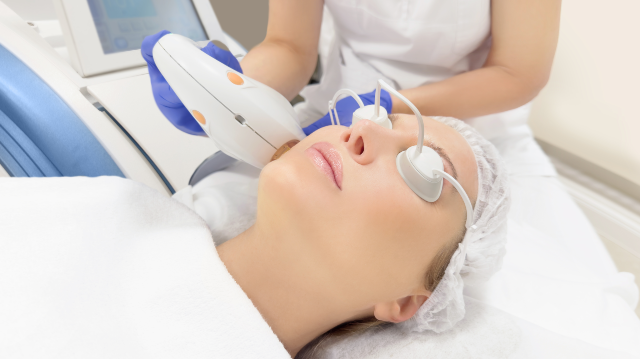
If you are comparing Corage Cell Fit in Korea against other skin-quality options, the first thing to clear up is what it actually is. Corage (QuanteQ) "Cell Fit" is an energy-based, non-invasive skin treatment offered at Maison de M Clinic in Seoul. Despite the word "Cell" in its branding, this QuanteQ treatment in Seoul is not a stem-cell or cell therapy. It is a device-based RF skin treatment that uses a form of high-frequency electromagnetic energy to warm the skin and support the skin's own remodeling processes. This guide explains the general mechanism, who tends to be considered a candidate, what a session and its downtime look like, and how to keep expectations realistic.
Aesthetic energy devices can deliver genuine skin-quality benefits for the right person, but marketing language can be confusing. This article keeps the framing neutral: results develop gradually and vary between individuals, no outcome can be promised, and only an in-person consultation can determine what is appropriate for your skin.
What Corage (QuanteQ) Cell Fit is — and is not
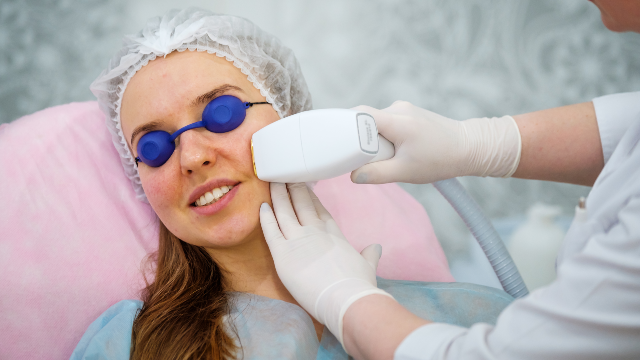
Corage Cell Fit is a non-invasive skin rejuvenation treatment that uses QMR (Quantum Molecular Resonance) technology. QMR is a high-frequency electromagnetic technology — an energy-based, radiofrequency-type approach — that delivers controlled electromagnetic frequencies into the skin. The clinic describes the treatment as designed to support cellular activity, encourage the skin's collagen and elastin processes, and improve firmness, texture, and overall skin condition, with minimal downtime.
The most important clarification: the "Cell" in Cell Fit refers to the treatment's intended effect on skin cell activity, not to any stem-cell or cell-based product. No cells are harvested, cultured, or injected. Corage Cell Fit is a device that applies energy to the skin from the outside. Framing it as a stem-cell therapy would be inaccurate.
Energy-based aesthetic devices, as a broad category, are regulated in the United States as medical devices. The FDA notes that aesthetic devices "may be regulated by the FDA depending upon their intended use," and it reminds patients that "a procedure may not always give you the results you want, the effects may be temporary, and there are risks involved when using any device" (FDA: Aesthetic (Cosmetic) Devices). It is accurate to say that energy-based devices exist as an FDA-cleared category of aesthetic technology; it would be an overstatement to imply that any single branded device or protocol carries a specific FDA endorsement, so this article does not make that claim.
How energy-based (RF) skin treatments generally work
To set expectations, it helps to understand the general biology that RF-type treatments rely on. The skin's firmness comes largely from collagen and elastin, the supportive fibers in the dermis. The American Society of Plastic Surgeons describes loss of skin tone as a "weakening of the supportive skin structures (collagen and elastin fibers)" that reduces firmness over time (ASPS: Skin Rejuvenation and Resurfacing).
Energy-based treatments aim to influence this supportive layer by delivering controlled heat into the skin. This thermal effect is intended to prompt the skin's natural remodeling response. Mayo Clinic explains the same principle in the context of laser resurfacing, noting that energy-based approaches heat the underlying skin, which "stimulates the growth of collagen," and that as the tissue responds, "the new collagen leads to smoother, tighter skin" (Mayo Clinic: Wrinkles – Diagnosis and Treatment). Radiofrequency-based devices work on a related thermal principle, delivering controlled heat into the dermis that is intended to prompt gradual collagen remodeling over time.
A few realistic themes apply across the energy-device category:
- Changes are typically gradual and modest, developing over the weeks following treatment as the skin remodels.
- A series of sessions is often part of the plan, and maintenance may be suggested over time.
- Outcomes vary with age, skin condition, and individual response.
- Energy-based skin treatments are not a substitute for surgery. Anyone expecting dramatic, surgical-style lifting is unlikely to be a good match, as the clinic itself notes.
Who may be a candidate
At Maison de M Clinic, suitability is always decided through an individualized consultation and skin assessment. In general terms, the treatment is often considered for adults who have mild skin laxity or reduced firmness, who are noticing fine lines or early signs of aging, who want to improve skin texture and elasticity, who have dull or tired-looking skin, or who are specifically seeking a non-invasive option with minimal downtime.
Some people should avoid or postpone Corage Cell Fit. Based on the clinic's guidance, these include individuals with active skin infections, open wounds, or severe skin inflammation; people with implanted electronic medical devices such as pacemakers, unless cleared by a doctor; those who are pregnant or breastfeeding, who should consult a medical professional first; and individuals with certain chronic medical conditions or skin disorders, who should seek medical advice before treatment. People expecting immediate or dramatic surgical-style lifting results may also not be ideal candidates. The FDA similarly advises discussing the benefits, risks, and your own suitability with a health care provider before any aesthetic device procedure (FDA: Aesthetic (Cosmetic) Devices).
What a session and downtime look like
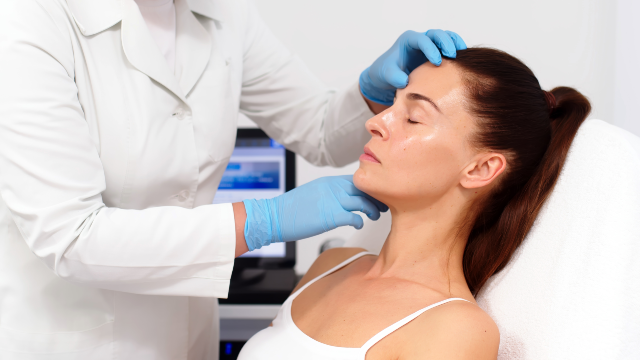
A Corage Cell Fit visit generally starts with a consultation to assess your skin, review your goals and medical history, and confirm whether the treatment is appropriate. During the treatment, the device delivers controlled energy to the skin; most patients report only mild discomfort, and a topical numbing cream or other comfort measures may be used where appropriate.
One of the treatment's practical appeals is its minimal downtime. The clinic notes that Corage Cell Fit is non-invasive with little to no downtime, so most patients can return to normal daily activities immediately afterward. Temporary effects such as mild redness, warmth, or slight skin sensitivity may occur but usually improve within a short period. Following the clinic's aftercare guidance supports recovery. As with any procedure, you should contact the clinic if you notice anything unexpected.
Visible improvements in skin texture, firmness, and elasticity tend to appear gradually and may continue to develop over the following weeks as the skin's collagen remodeling occurs. The number of sessions depends on individual goals and skin condition, and outcomes vary. Corage Cell Fit may also be combined with other non-invasive treatments — such as skin boosters, laser procedures, or collagen-supporting therapies — as part of a personalized plan decided with a physician.
If you would like to get a sense of the clinic's approach and see the work it shares publicly, you can browse the before-and-after gallery and learn more about the team on the about-us page. To ask about candidacy, English-language support, and scheduling, reach out through the Maison de M Clinic contact page. Cost is determined by your individual assessment and treatment plan and is discussed at consultation.
How it compares with other options
Patients often ask how Corage Cell Fit differs from microneedling, lasers, or injectable collagen boosters. In broad terms, these are simply different tools that target skin quality in different ways: energy-based devices like Corage Cell Fit use controlled heat to prompt remodeling from within, laser resurfacing uses light energy, microneedling creates controlled micro-injury, and collagen-focused injectables place or stimulate collagen through injection. The ASPS emphasizes that "most skin treatments require a series of treatments and a multi-modality approach" and that the right choice is determined in consultation (ASPS: Skin Rejuvenation and Resurfacing). No single option is universally "best"; the appropriate approach depends on your skin and goals.
Skin aging itself is influenced heavily by sun exposure and lifestyle. MedlinePlus notes that sunlight is a major cause of skin aging and that protecting your skin — with sun avoidance during peak hours, sunscreen, and protective clothing — helps limit further changes (MedlinePlus: Skin Aging). Sensible sun protection complements any in-clinic skin treatment.
Safety, aftercare, and choosing a provider
No aesthetic procedure is entirely without risk, and energy-based treatments are no exception. The FDA is explicit that with any device, "the effects may be temporary, and there are risks involved," which is why it recommends discussing both the benefits and the risks with a qualified health care provider and understanding them fully before you proceed (FDA: Aesthetic (Cosmetic) Devices). For an RF-type treatment such as Corage Cell Fit, the most commonly described effects are the mild, short-lived ones already mentioned — redness, warmth, or brief sensitivity in the treated area. Sharing your full medical history matters, particularly if you have an implanted electronic device, are pregnant or breastfeeding, or have a skin condition, because these factors influence whether treatment is appropriate or should be postponed.
Aftercare is generally straightforward, but it does play a role in how comfortably your skin settles. Following the clinic's specific guidance — which may include gentle skincare, sun protection, and avoiding anything that irritates freshly treated skin — supports recovery. Because sun exposure is such a significant driver of skin aging, ongoing sun protection also helps preserve any improvements you achieve.
Provider selection is one of the most important decisions you make. Energy-based devices deliver controlled heat into living tissue, so the training and experience of the person operating the device, and the physician overseeing your care, genuinely matter. It is reasonable to ask who will perform the treatment, how the plan was tailored to your skin, how many sessions are anticipated, and what results are realistic for someone with your skin type and concerns. Maison de M Clinic provides English-language consultation and support for international patients, and you can confirm these details before committing to a plan. You can learn more about the clinic's physicians and philosophy on the about-us page.
The Bottom Line
- Corage (QuanteQ) Cell Fit is an energy-based, non-invasive RF skin treatment (using QMR technology) offered at Maison de M Clinic in Seoul.
- Despite the "Cell" branding, it is a device treatment, not a stem-cell or cell therapy — no cells are harvested or injected.
- Energy-based aesthetic devices are an FDA-regulated category, but that general fact should not be read as a specific FDA endorsement of any one branded device or protocol.
- Results are gradual and modest, often need a series of sessions, and vary between individuals; this is not a substitute for surgery and nothing is guaranteed.
- Candidacy, precautions (such as pacemakers, pregnancy, or active skin infection), treatment planning, and cost are all determined during an individualized consultation.
Frequently Asked Questions
**Is Corage Cell Fit a stem-cell treatment?**No. Despite the "Cell" in its name, Corage (QuanteQ) Cell Fit is an energy-based device treatment that applies controlled electromagnetic (RF-type) energy to the skin. No cells are harvested, cultured, or injected.
**How does Corage Cell Fit work?**It uses QMR (Quantum Molecular Resonance) technology to deliver controlled energy into the skin. The resulting thermal effect is intended to support the skin's natural collagen and elastin remodeling, which may gradually improve firmness and texture. Individual results vary.
**Is it FDA-approved?**Energy-based aesthetic devices are regulated by the FDA as a category, but that does not mean any specific branded device or protocol carries a particular FDA endorsement. Discuss regulatory status and suitability with your physician.
**Is the treatment painful, and how much downtime is there?**Most patients report only mild discomfort, and comfort measures such as topical numbing may be used where appropriate. Downtime is generally minimal; temporary redness, warmth, or slight sensitivity may occur but usually settles quickly, so most people resume normal activities the same day.
**When will I see results and how long do they last?**Improvements tend to appear gradually over the weeks after treatment as the skin remodels, and duration varies by individual skin condition, lifestyle, and response. A physician may recommend maintenance sessions. No specific outcome can be promised.
**Who should avoid Corage Cell Fit?**People with active skin infections, open wounds, or severe skin inflammation; those with implanted electronic devices such as pacemakers (unless cleared by a doctor); pregnant or breastfeeding patients; and those with certain chronic conditions or skin disorders should seek medical advice first. Suitability is decided at consultation.
**How much does Corage Cell Fit cost at Maison de M Clinic?**Cost depends on your individual assessment and treatment plan and is discussed during consultation. You can contact the clinic to arrange an English-language consultation.
This article is for general informational purposes and does not constitute individualized medical advice. Consult a qualified physician about your specific condition.
References
- FDA: Aesthetic (Cosmetic) Devices
- American Society of Plastic Surgeons: Skin Rejuvenation and Resurfacing
- Mayo Clinic: Wrinkles – Diagnosis and Treatment
- MedlinePlus: Skin Aging
More Clinical Articles
Continue reading physician-informed guides on non-surgical lifting, skin texture renewal, and aftercare in Seoul.
CellExosome BLACKLABEL: Exosome Skin Care at Maison de M
An evidence-cautious look at CellExosome BLACKLABEL exosome skin treatments at Maison de M Clinic in Seoul, and why exosome products are not FDA-approved.
Learn More
Sofwave and Thermage for Deeper Skin Tones: A Guide
How energy-based lifting devices Sofwave and Thermage work, and how clinicians tailor treatment for Latina, Mediterranean and deeper skin tones.
Learn More
Pting Laser vs CO2 Laser: Pain Scores and Recovery Benchmarks from KR
Pting Laser vs CO2 Laser: Pain Scores and Recovery Benchmarks from KR
Learn More