Two Hands Ultherapy Prime & Aesthetic Lifting Clinic in Gangnam, Seoul · 1:1 Physician Care
Ultherapy & Sofwave Specialized Clinic · Gangnam-daero
en-US

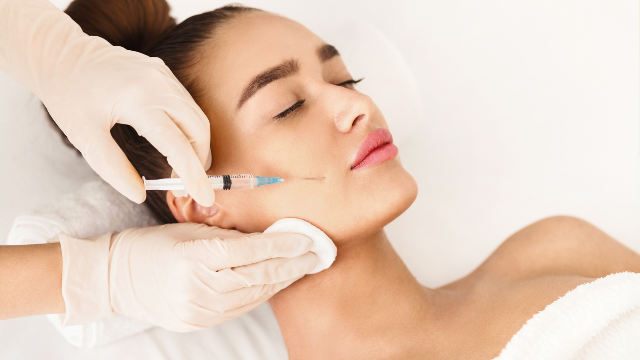
Clinical Guide
Combining Injectables With Lifting Treatments: A Guide for Previous Botox and Filler Patients
How combining injectables with lifting treatments works for previous Botox and filler patients: sequencing, safety, and consultation basics.
Schedule a ConsultationCombining Injectables With Lifting Treatments: A Guide for Previous Botox and Filler Patients
Medically reviewed by Dr. Min Byung Yee, Chief Director, Maison de M Clinic
If you already get Botox or dermal fillers and are happy with what they do, a natural next question eventually comes up: what about the parts of facial aging that injectables do not seem to touch? Many people notice that their frown lines are softened and their cheeks look supported, yet the jawline feels less defined or the skin along the lower face has started to loosen. That is often the point at which energy-based lifting treatments — microfocused ultrasound, radiofrequency, and similar devices — enter the conversation. Combining injectables with lifting treatments is a common approach precisely because the two families of treatment are designed to do different jobs.
This guide is written for previous Botox and filler patients who are considering adding an energy-based lifting treatment. It explains, in neutral terms, how injectables and lifting devices address different aspects of facial aging, the general principles clinicians use when sequencing and timing treatments, and why a personalized consultation — rather than a fixed formula — is what actually determines a sensible plan. It is educational only and is not a substitute for individualized medical advice.
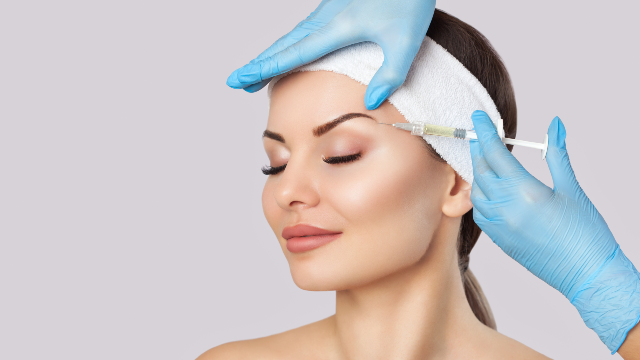
Two different jobs: what injectables do versus what lifting does
The most useful way to think about a combined plan is to separate the goals. Injectables and energy-based lifting devices are not competitors doing the same thing at different price points; they operate on different layers of the face and target different signs of aging.
What injectables are designed to address
Injectable treatments generally fall into two broad categories, and previous patients are usually already familiar with both.
Neuromodulators (for example, Botox Cosmetic). Botulinum toxin type A temporarily relaxes the specific muscles responsible for expression, which can soften dynamic wrinkles — the lines that appear when you frown, squint, or raise your eyebrows. As the American Society of Plastic Surgeons and Mayo Clinic describe, the effect is temporary and wears off over a period of months, at which point the muscle activity — and the associated lines — gradually return. Neuromodulators work at the level of muscle movement. They do not tighten loose skin, and they do not restore lost volume.
Hyaluronic acid (HA) dermal fillers. HA fillers are used to add or restore volume and to soften certain folds and creases — for example in the cheeks, around the mouth, or along the lower face. They provide structural support where soft-tissue volume has diminished. Like neuromodulators, their effect is temporary and is gradually broken down by the body over time. Fillers address volume and contour; they are not a treatment for skin laxity, and they do not stimulate a lifting response in the deeper tissues.
The takeaway is that injectables are excellent at what they do — softening expression lines and restoring volume — but by design they leave two things largely untouched: the quality and firmness of the skin itself, and the gradual descent that comes from loosening of the deeper support layers.
What energy-based lifting is designed to address
Energy-based lifting devices approach the face from a different direction. Rather than relaxing muscle or adding volume, they deliver controlled energy — ultrasound or radiofrequency — into the deeper layers of the skin to create a thermal stimulus. The body responds to that stimulus over the following weeks and months by remodeling its own collagen, the protein that gives skin much of its firmness and structure. The intended result is a gradual tightening and improvement in skin firmness for people with mild to moderate laxity.
Two points matter here. First, this is a slow, biological process, not an instant change; results develop gradually and vary from person to person. Second, the target is skin laxity and skin quality — exactly the aspect of aging that neuromodulators and fillers are not designed to address. That complementary relationship is the whole reason a combined plan is discussed.
Why combining injectables and lifting is even a conversation
Facial aging is not one process; it is several happening at once. Muscle activity etches dynamic lines. Fat pads and bone change, so volume is redistributed and lost. And the skin itself, along with its deeper support layers, loses collagen and elasticity, which contributes to laxity and a softer jawline. No single treatment addresses all of these at once.
For someone who has only ever used injectables, this can explain a familiar frustration: the frown lines and the cheeks look good, but the overall impression is still of a face that has "dropped" a little, because the laxity component was never treated. Adding an energy-based lifting treatment is one way clinicians attempt to address that missing piece. Conversely, someone who has only had a lifting treatment may find that firmer skin still sits over volume loss or active expression lines, which injectables are better suited to. The rationale for combining, then, is straightforward: different tools for different problems, chosen to match what a specific face actually needs.
None of this implies that everyone should combine treatments, or that more treatment is inherently better. It simply means that when several signs of aging are present at once, a thoughtfully combined plan is a reasonable option to discuss.
How sequencing and timing are generally approached
One of the most common questions from previous patients is about order: should the lifting treatment come first, or the injectables? There is no single correct sequence that applies to everyone, and the right answer depends on the individual, the specific treatments, and the clinician's judgment. That said, a few general principles are widely discussed.
Some clinicians prefer to perform energy-based lifting before, or well-spaced from, certain injectables. The reasoning often cited is that filler placed in a specific plane could theoretically be affected by heat-based energy delivered to nearby tissue, so some practitioners choose to sequence these treatments with an interval between them, or to plan the lifting session with existing filler in mind. Others tailor the approach to the device and the areas treated. Because practice varies and depends on the exact products and technology involved, this is a decision for your treating clinician rather than a rule you can apply on your own.
Neuromodulator timing is usually planned around its temporary nature. Because the effect of a neuromodulator fades over months, its timing in a combined plan is often coordinated so that touch-ups fit sensibly alongside other treatments and follow-up visits.
Spacing allows results to be assessed. Energy-based lifting develops gradually, so clinicians frequently build in time to see how the skin responds before layering additional treatments. This staged approach also makes it easier to attribute results and to adjust the plan.
For international patients in particular, timing has a practical dimension. If you are traveling to Korea for treatment, the sequence and number of visits, plus the interval needed between stages, all affect how a trip is structured. This is worth discussing in advance so that expectations about a single visit versus multiple visits are clear.
Regulatory status: knowing what is approved, cleared, and what is not
Previous patients often assume that everything offered at an aesthetic clinic carries the same regulatory standing. It does not, and understanding the distinctions helps you ask better questions.
Botox Cosmetic (onabotulinumtoxinA) is approved by the U.S. Food and Drug Administration for its specific approved facial areas. Many other cosmetic uses of botulinum toxin are performed off-label, meaning the product is used in a way not specified in its FDA-approved labeling — a common and legal practice in medicine, but something you should understand and discuss.
HA dermal fillers are FDA-approved for specific facial areas; the FDA maintains a list of approved dermal fillers and their approved uses. As with neuromodulators, use outside those specific approved areas may be off-label.
Microfocused ultrasound and radiofrequency lifting devices occupy a different regulatory category. Ultherapy and Ultherapy Prime (microfocused ultrasound), Sofwave (ultrasound), and Thermage FLX (monopolar radiofrequency) are examples of devices that have received U.S. FDA clearance for specific aesthetic uses such as lifting or improving the appearance of lines and wrinkles. FDA clearance applies to the device and its cleared indications; it is not a promise of any particular result for you.
Some devices and injectables offered in Korea are not FDA-approved or cleared. A number of branded devices and technologies marketed in Korea — and some regenerative injectables and skin boosters — carry Korean Ministry of Food and Drug Safety (MFDS) approval or a European CE mark rather than U.S. FDA status. MFDS or CE marking is not the same as U.S. FDA approval or clearance. If a specific device or product is proposed for your plan, it is entirely reasonable to ask what its regulatory status is and to have that explained clearly.
Why a consultation individualizes the plan
There is no universal combination that suits every previous Botox and filler patient, because the underlying mix of concerns differs from person to person. A consultation exists to sort out what your face actually needs and in what order.
At Maison de M Clinic — a non-surgical aesthetic and dermatology clinic in Seocho-gu, Seoul, led by Dr. Min Byung Yee — the documented approach is to base treatment selection on an individual assessment of skin condition, facial anatomy, and stated goals, and to design combination protocols accordingly. The clinic offers a range of options, including microfocused ultrasound (Ultherapy Prime), radiofrequency (Thermage FLX), Sofwave, and other energy-based lifting devices, alongside neuromodulators and HA fillers. As a Registered Medical Institution for Attracting Foreign Patients under Korea's Ministry of Health and Welfare, it also provides English-language consultation and support for international patients.
A thorough consultation for a combined plan typically covers your full history of injectable treatments — what you have had, where, and how recently — because that information influences sequencing. It should also review your medical history, current medications and supplements, and any prior procedures, and it should set realistic expectations about what is achievable, over what timeframe, and what any given treatment cannot do. A responsible clinician will be candid when a particular treatment is unlikely to help, and will say so.
For patients traveling internationally, the U.S. Centers for Disease Control and Prevention advises planning for follow-up and any complication care as part of the trip. Because energy-based lifting develops gradually and injectables need periodic maintenance, it is worth discussing in advance how follow-up will be handled once you return home.
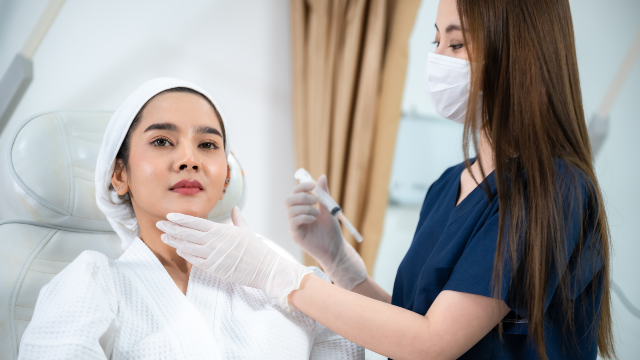
What to expect around a combined plan
A few practical expectations help keep a combined plan grounded. Energy-based lifting generally involves minimal downtime, with temporary effects such as redness, mild swelling, or tenderness that usually settle quickly; injectables likewise are minimally invasive, though bruising or swelling at injection sites can occur. Results from lifting appear gradually over weeks to months, whereas filler volume is visible sooner and neuromodulator effects develop over days. None of these treatments stops aging, none produces a permanent result, and outcomes vary from person to person. Costs are not discussed here; any pricing should come from the clinic as a personalized, itemized quote after consultation.
Perhaps most importantly, combining treatments is a decision to make with a clinician, not a checklist to complete. The goal is a plan matched to your face and your goals — not the largest possible number of treatments.
Bottom Line
- Injectables and energy-based lifting treatments do different jobs: neuromodulators soften dynamic (expression) lines, HA fillers restore volume, and lifting devices target skin laxity and firmness by stimulating collagen over time.
- Combining them is a common approach when several signs of aging are present at once, because no single treatment addresses muscle movement, volume loss, and laxity all together.
- Sequencing and timing vary by individual, product, and device, and are decisions for your treating clinician rather than fixed rules.
- Regulatory status differs: Botox Cosmetic and HA fillers are FDA-approved for specific areas (other uses may be off-label); Ultherapy, Sofwave, and Thermage FLX are FDA-cleared devices; some Korean or branded devices and injectables are not FDA-approved or cleared, and MFDS or CE marking is not the same as U.S. FDA status.
- Results are gradual, vary from person to person, and are not guaranteed; a personalized consultation determines whether and how to combine treatments.
Frequently Asked Questions
**I already get Botox and filler. Do I actually need a lifting treatment too?**Not necessarily. Injectables and lifting address different concerns. If your main goals are softening expression lines and restoring volume, injectables may be enough. If you are also noticing skin laxity or a softer jawline, an energy-based lifting treatment targets that specific issue. Whether combining makes sense for you is an individual decision best made at consultation.
**Should the lifting treatment come before or after my filler?**There is no single correct order for everyone. Some clinicians prefer to perform energy-based lifting before, or well-spaced from, certain injectables, and the right approach depends on the specific products, the areas treated, and clinical judgment. This is something to plan with your treating clinician, ideally by telling them exactly what injectables you have had and how recently.
**Are the lifting devices FDA-approved?**Devices such as Ultherapy, Sofwave, and Thermage FLX are FDA-cleared for specific aesthetic uses, which applies to the device and its cleared indications rather than guaranteeing your result. Some other branded devices offered in Korea are not FDA-approved or cleared and may instead carry MFDS or CE marking, which is not the same as U.S. FDA status. Ask about any specific device proposed for you.
**Will combining treatments give faster or better results than one alone?**Combining is about addressing different concerns, not about being faster or better in a general sense. Injectable effects appear within days, filler volume is visible sooner, and lifting develops gradually over weeks to months. Results vary by person and are not guaranteed, which is why realistic expectations set at consultation matter more than any promise.
**I am traveling to Korea for treatment. How does that affect a combined plan?**Sequencing may require intervals between stages, so a combined plan can affect whether one visit is enough or whether multiple visits are advisable. The CDC recommends planning for follow-up and any complication care when seeking treatment abroad. Discuss visit structure and how follow-up will be handled after you return home before you travel.
This article is for general informational purposes and does not constitute individualized medical advice. Consult a qualified physician about your specific condition.
References
- American Society of Plastic Surgeons — Botulinum Toxin
- American Society of Plastic Surgeons — Dermal Fillers
- American Society of Plastic Surgeons — Skin Rejuvenation and Resurfacing
- U.S. Food and Drug Administration — FDA-Approved Dermal Fillers
- U.S. Food and Drug Administration — Aesthetic (Cosmetic) Devices
- Mayo Clinic — Botox injections
- Centers for Disease Control and Prevention — Medical Tourism
More Clinical Articles
Continue reading physician-informed guides on non-surgical lifting, skin texture renewal, and aftercare in Seoul.
CellExosome BLACKLABEL: Exosome Skin Care at Maison de M
An evidence-cautious look at CellExosome BLACKLABEL exosome skin treatments at Maison de M Clinic in Seoul, and why exosome products are not FDA-approved.
Learn More
Sofwave and Thermage for Deeper Skin Tones: A Guide
How energy-based lifting devices Sofwave and Thermage work, and how clinicians tailor treatment for Latina, Mediterranean and deeper skin tones.
Learn More
Pting Laser vs CO2 Laser: Pain Scores and Recovery Benchmarks from KR
Pting Laser vs CO2 Laser: Pain Scores and Recovery Benchmarks from KR
Learn More