Two Hands Ultherapy Prime & Aesthetic Lifting Clinic in Gangnam, Seoul · 1:1 Physician Care
Ultherapy & Sofwave Specialized Clinic · Gangnam-daero
en-US


Clinical Guide
Cielo Staronic at Maison de M: Skin Tone & Texture
What a skin tone and texture treatment like Cielo Staronic in Korea aims to do, plus candidacy, what to expect, and downtime at Maison de M Clinic.
Schedule a ConsultationCielo Staronic at Maison de M: Skin Tone & Texture
Medically reviewed by Dr. Min Byung Yee, Chief Director and Board-Certified Family Medicine Physician, Maison de M Clinic · Last updated July 2026
Cielo Staronic in Korea is a device-based skin tone and texture treatment offered as part of the skin-rejuvenation menu at Maison de M Clinic in Seoul. If you are comparing options for a skin resurfacing device or an energy-based approach to improving overall skin quality, this guide explains—in general terms—what a treatment like Cielo Staronic aims to do, who it may suit, what a session and recovery typically look like, and why a multi-session plan is common. Because the exact device platform, energy settings, and protocol are individualized, those specifics are confirmed during an in-person consultation rather than described in a general article. Results vary from person to person, and no aesthetic treatment can guarantee a particular outcome.
Throughout, this overview keeps claims neutral. Energy- and light-based aesthetic tools are regulated by category, and while the technology is well established, it is not a cure and it is not risk-free. The most reliable way to know whether it fits your skin is a professional assessment.
What a device-based skin tone and texture treatment aims to do
Skin tone and texture treatments use energy—often laser or other light- or radiofrequency-based technology—to work on the surface and deeper layers of the skin. The general goal is to improve overall skin quality: a more even tone, smoother texture, and a refreshed, healthier-looking surface.
Mayo Clinic explains that laser resurfacing is a procedure that uses an energy-based device to improve the look and feel of skin, and is commonly used to address fine lines, age spots, and uneven skin color and texture. It also notes an important limitation: resurfacing generally cannot fix sagging skin. Devices range from more aggressive (ablative) approaches with longer recovery to gentler (nonablative) approaches that produce more subtle, gradual results with shorter downtime. The American Society of Plastic Surgeons similarly describes laser skin resurfacing as sending controlled energy to the skin to encourage the growth of new collagen so that, as the treated area heals, the skin can look smoother and firmer.
Based on the information Maison de M Clinic provides, Cielo Staronic is positioned as a customized skin-improvement treatment for patients focused on skin texture, elasticity, hydration, skin balance, and the general signs of skin aging. In other words, it is oriented toward overall skin quality rather than a single, isolated fix. The specific device configuration and treatment settings are individualized and confirmed at consultation.
It helps to understand how these tools are regulated. The U.S. Food and Drug Administration notes that aesthetic (cosmetic) devices may help achieve a desired effect, but that a procedure may not always give the results you want, effects may be temporary, and there are risks involved with any device. Energy-based aesthetic devices are cleared for use as a category; that is different from a promise of a specific result for any individual. This is why realistic expectations and a personalized plan matter.

Who may be a candidate
A device-based skin tone and texture treatment may be considered by people who want to improve overall skin quality and are looking for a customized, non-surgical approach. Based on the candidate profile Maison de M Clinic describes, Cielo Staronic may be suitable for individuals with concerns related to:
- Uneven or rough skin texture
- Uneven skin tone
- Reduced skin elasticity
- Dryness or reduced moisture retention
- General signs of skin aging
- A desire for a customized skin-improvement program
Not everyone is a candidate, and some people should postpone treatment until they have been evaluated. Based on general guidance for energy-based skin procedures, and as reflected in Maison de M Clinic's information, factors that may call for careful evaluation or postponement include active skin infections, open wounds, severe skin inflammation, recent sun exposure or tanning, use of certain photosensitizing medications, and pregnancy or breastfeeding. Mayo Clinic likewise notes that laser-based skin procedures are not for everyone and lists cautions such as recent isotretinoin use, a history of keloid scarring, a tendency toward cold sores, and being pregnant. People with brown or Black skin may have a higher risk of changes in skin color after some laser procedures, so it is important to work with a practitioner experienced in selecting appropriate devices and settings for a range of skin tones.
Because candidacy is individual, the clinic determines suitability after a skin assessment. You can arrange an evaluation through the clinic's contact page.
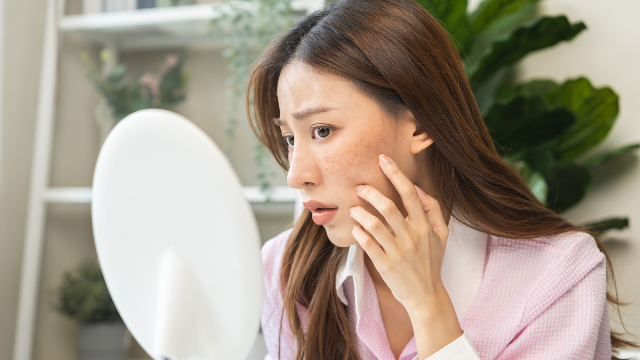
What to expect during a session
While the exact protocol is individualized, energy-based skin tone and texture treatments generally follow a familiar arc. A practitioner cleanses the skin and assesses your concerns. Depending on the device and settings selected for you, a topical numbing product may or may not be used—this is one of the details confirmed at consultation. The device is then applied across the treatment area, delivering controlled energy intended to support skin renewal and collagen activity. Sessions are typically performed in an outpatient clinic setting.
Sensations during energy-based treatments vary by device, settings, and individual tolerance, and can range from warmth to a brief prickling feeling. Maison de M Clinic notes that specific details such as pain level for Cielo Staronic are confirmed at the clinic, so discussing comfort options ahead of time is worthwhile.
Downtime and recovery
Downtime depends heavily on the type and intensity of the energy-based approach. Mayo Clinic explains that recovery after nonablative (gentler) laser treatment tends to be very short—skin might be swollen or change color for a few hours, and many people can resume their usual routine and skincare quickly. More aggressive ablative approaches involve longer healing. Common, generally temporary effects across energy-based skin treatments can include redness, mild swelling, and a warm or sensitive feeling in the treated area.
Whatever approach is used, sun protection afterward is essential. Both Mayo Clinic and the National Institute on Aging emphasize daily broad-spectrum sunscreen, because new sun damage can undermine results and contribute to uneven pigmentation. Your clinic will provide specific aftercare instructions based on the exact treatment performed. Maison de M Clinic confirms downtime specifics for Cielo Staronic at the clinic, so ask what to expect for your individualized plan—especially if you are traveling and need to plan around recovery.
Why a multi-session approach is common
For many energy-based skin tone and texture treatments, results build gradually over a course of sessions rather than appearing all at once. Mayo Clinic notes that with nonablative and fractional approaches, people typically need multiple treatments scheduled over weeks or months to reach noticeable results, and that improvements in skin texture and color tend to be gradual and progressive.
This is consistent with how Maison de M Clinic frames Cielo Staronic as a customized skin-improvement program that may be adjusted over time and combined with other suitable treatments after consultation. A staged plan allows the practitioner to work conservatively, monitor how your skin responds, and tailor future sessions. It also sets realistic expectations: skin quality is supported and maintained over time rather than permanently changed in a single visit.
Realistic expectations
Skin tone and texture treatments can support a smoother, more even, healthier-looking complexion, but they have limits. As MedlinePlus notes on skin aging, skin naturally changes with age and sun exposure, and while various treatments can improve appearance, no procedure stops the aging process. Resurfacing-type treatments generally are not designed to lift sagging skin, and results vary based on your starting skin condition, the device and settings used, your skin's response, and how consistently you protect and care for your skin afterward.
It is also worth distinguishing cosmetic skin-quality goals from medical skin concerns. If you have a rash, a growth that is changing, a persistent inflammatory condition, or another issue that may need diagnosis, that is a medical matter—resources such as MedlinePlus on skin conditions can help you recognize when to seek a physician's evaluation, and a doctor can advise you directly. An aesthetic tone-and-texture treatment is not a substitute for medical dermatologic care.
How Maison de M Clinic approaches Cielo Staronic
Maison de M Clinic, located in the Gangnam area of Seoul, offers Cielo Staronic as part of a broader menu of non-surgical skin-rejuvenation treatments, and provides English-language consultation and reservation services for international patients. The clinic emphasizes an individualized skin assessment before treatment, and it defers exact device settings and protocol to that consultation. The Chief Director, Dr. Min Byung Yee, is a board-certified family medicine physician; more about the clinic's team and philosophy is available on the about page, and patient experiences and outcomes can be reviewed via the clinic's before-and-after gallery.
The cost associated with getting started is a consultation, where suitability, expectations, and a personalized session plan are discussed. If Cielo Staronic is not the best fit for your skin, the clinic can discuss other options during that visit.
The Bottom Line
- Cielo Staronic is a device-based skin tone and texture treatment offered at Maison de M Clinic that aims to improve overall skin quality, not to cure a condition or guarantee a result.
- Energy- and laser-based aesthetic devices are regulated by category; effects may be temporary, results vary, and there are risks, so realistic expectations matter.
- Candidacy is individual—active infections, certain medications, recent tanning, pregnancy, and other factors may require evaluation or postponement.
- Downtime depends on the approach; gentler treatments often have short recovery, and diligent sun protection afterward is essential.
- Results typically build over multiple sessions, and exact device settings and protocol are confirmed during an in-person consultation.
Frequently Asked Questions
**What is Cielo Staronic?**As presented by Maison de M Clinic, it is a device-based, customized skin-improvement treatment focused on skin texture, elasticity, hydration, skin balance, and general signs of skin aging. The exact device platform and settings are individualized and confirmed at consultation, and it is intended to support overall skin quality rather than to cure any condition.
**What can a skin tone and texture treatment improve?**Energy-based skin treatments generally aim to improve the look and feel of the skin—a more even tone and smoother texture. Mayo Clinic notes such treatments are commonly used for fine lines, age spots, and uneven skin color and texture, but generally do not fix sagging skin. Individual results vary.
**Is it painful, and is numbing used?**Sensations vary by device and settings and can range from warmth to a brief prickling feeling. Maison de M Clinic confirms comfort details, including any numbing, for Cielo Staronic at the clinic, so it is best to discuss this during your consultation.
**How much downtime should I expect?**Downtime depends on the type and intensity of treatment. Gentler, nonablative approaches often involve short recovery with temporary redness or warmth, while more aggressive approaches take longer to heal. Maison de M Clinic confirms downtime specifics for your individualized plan; sun protection afterward is important either way.
**How many sessions will I need?**Many energy-based skin tone and texture treatments are performed as a course, with results building gradually over several sessions spaced weeks apart. Maison de M Clinic frames Cielo Staronic as a customized program that may be adjusted over time; the recommended number of sessions is determined at consultation.
**Who should avoid or postpone treatment?**People with active skin infections, open wounds, severe inflammation, recent sun exposure or tanning, certain photosensitizing medications, or who are pregnant may need to postpone or be evaluated first. A skin assessment determines whether the treatment is appropriate for you.
**Can it be combined with other treatments?**Yes—Maison de M Clinic notes it may be combined with other suitable skin treatments depending on your skin condition and goals, as part of a customized plan decided after consultation. Combining treatments should always be guided by a physician.
**Does the clinic support international patients?**Yes. Maison de M Clinic provides English-language consultation and reservation services for international patients through its dedicated English website, and you can reach the team through the clinic's contact page to ask about scheduling and travel timing.
This article is for general informational purposes and does not constitute individualized medical advice. Consult a qualified physician about your specific condition.
References
- Mayo Clinic — Laser resurfacing
- American Society of Plastic Surgeons — Laser Skin Resurfacing
- U.S. Food and Drug Administration — Aesthetic (Cosmetic) Devices
- MedlinePlus — Skin Aging
- MedlinePlus — Skin Conditions
- National Institute on Aging — Skin Care and Aging
More Clinical Articles
Continue reading physician-informed guides on non-surgical lifting, skin texture renewal, and aftercare in Seoul.
CellExosome BLACKLABEL: Exosome Skin Care at Maison de M
An evidence-cautious look at CellExosome BLACKLABEL exosome skin treatments at Maison de M Clinic in Seoul, and why exosome products are not FDA-approved.
Learn More
Sofwave and Thermage for Deeper Skin Tones: A Guide
How energy-based lifting devices Sofwave and Thermage work, and how clinicians tailor treatment for Latina, Mediterranean and deeper skin tones.
Learn More

Pting Laser vs CO2 Laser: Pain Scores and Recovery Benchmarks from KR
Pting Laser vs CO2 Laser: Pain Scores and Recovery Benchmarks from KR
Learn More