Two Hands Ultherapy Prime & Aesthetic Lifting Clinic in Gangnam, Seoul · 1:1 Physician Care
Ultherapy & Sofwave Specialized Clinic · Gangnam-daero
en-US

Clinical Guide
CellExosome BLACKLABEL: Exosome Skin Care at Maison de M
An evidence-cautious look at CellExosome BLACKLABEL exosome skin treatments at Maison de M Clinic in Seoul, and why exosome products are not FDA-approved.
Schedule a ConsultationCellExosome BLACKLABEL: Exosome Skin Care at Maison de M
Medically reviewed by Dr. Choi Chang Won, Chief Medical Director, Maison de M Clinic · Last updated July 2026
Interest in exosome therapy in Korea has grown quickly, and many people researching exosome skin rejuvenation in Seoul come across branded options such as the CellExosome treatment. This article offers a neutral, evidence-cautious explanation of what exosome-based skin treatments are, how CellExosome BLACKLABEL is described by the clinic that offers it, and — critically — what regulators say. The single most important thing to understand up front: there are currently no FDA-approved exosome products, and the U.S. Food and Drug Administration (FDA) has publicly cautioned consumers about unapproved exosome and regenerative products. CellExosome BLACKLABEL is offered at Maison de M Clinic, an aesthetic and dermatology clinic in Seoul, South Korea. The goal here is to help you ask better questions, not to make promises.
What Are Exosomes?
Exosomes are tiny particles released by cells. In the body, they carry molecules between cells and are part of how cells communicate. Because of this role in cell-to-cell signaling, exosomes have become a subject of active research in fields including dermatology and regenerative medicine.
It is important to separate two things: the biology of exosomes (a legitimate and active area of scientific study) and the marketing of commercial "exosome products" (which regulators treat with caution). The science being interesting is not the same as a specific product being proven, approved, or safe for a given use. Keeping that distinction in mind is essential when evaluating any exosome-based aesthetic offering.
Important: Exosome Products Are Not FDA-Approved
This point deserves its own section because it is central to making an informed decision.
The FDA states plainly that exosome products are regulated by the agency and that, as a general matter, exosome products intended to treat diseases or conditions in humans require FDA approval — and that there are currently no FDA-approved exosome products.
The FDA has also issued a public safety notification on exosome products, prompted by reports of serious adverse events in patients who received unapproved products marketed as containing exosomes. In that notification, the FDA warned that some clinics deceive patients with unsubstantiated claims about the potential of these products to prevent, treat, or cure diseases or conditions, and emphasized that exosomes used to treat diseases and conditions in humans are regulated as drugs and biological products subject to premarket review.
The FDA's consumer alert on regenerative medicine products, including stem cells and exosomes, adds practical guidance. For anyone considering treatment abroad, the FDA advises patients to learn about the regulations that cover products in that country, and to be aware that the FDA does not have oversight of treatments performed in other countries and typically has little information about foreign establishments or their products. In other words, a product offered outside the United States is not evaluated by the FDA, and its regulatory status in South Korea is a separate question to raise directly with the clinic.
None of this means a clinic offering exosome treatments is acting improperly under its own country's rules. It does mean you should ask direct questions, understand that U.S. approval does not apply here, and set expectations accordingly.
What Is CellExosome BLACKLABEL?
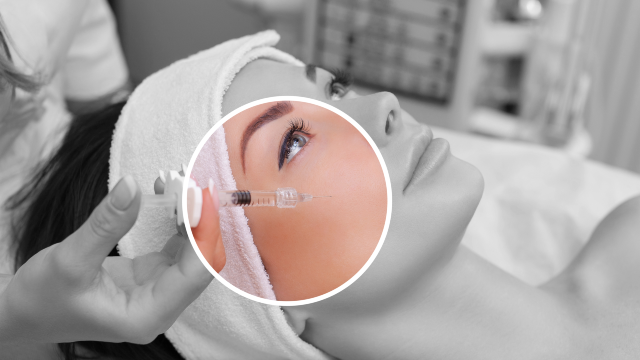
According to Maison de M Clinic, CellExosome BLACKLABEL is a regenerative skin treatment that the clinic describes as an advanced exosome-based therapy. The clinic frames it as intended to support skin regeneration, help improve skin quality, and support elasticity as part of a personalized skin-care approach.
The clinic describes the treatment as delivering exosome-based factors to the skin with the aim of supporting cellular communication and tissue repair. It also notes that CellExosome BLACKLABEL may be combined with other skin-rejuvenation procedures as part of an individualized plan.
Consistent with a neutral, evidence-cautious framing, these are descriptions of how the treatment is intended to work and what it is designed to support — not claims that it will produce a particular medical outcome, treat a disease, or deliver guaranteed results. Individual responses vary.
What the Current Evidence Shows
Research on exosomes in skin care is developing, and it is fair to say the field is still maturing rather than settled. Published reviews in the scientific literature describe exosomes as a promising area of study and report early findings, but they also highlight significant limitations — including a lack of standardization in how exosome products are prepared and applied — and call for more rigorous studies before broad conclusions can be drawn. In short: interesting early signals, meaningful unanswered questions, and no basis for guarantees.
This is why the regulatory picture and the scientific picture point in the same direction: caution, questions, and realistic expectations. When you read enthusiastic claims online, weigh them against the fact that regulators have not approved these products and that reviewers themselves emphasize the need for more evidence.
For general context on skin aging — the concern many people hope to address — MedlinePlus notes that skin changes with age and that sun exposure is a major cause of skin aging, which is why sun protection and evidence-based skin care remain foundational regardless of any treatment you consider.
How Exosome Skin Treatments Are Typically Offered
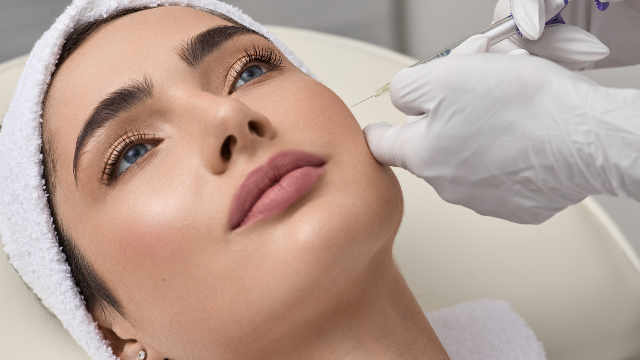
At clinics, exosome-based skin treatments are often applied to the skin and, in some cases, paired with procedures such as microneedling to support delivery. Maison de M Clinic notes that CellExosome BLACKLABEL may be combined with other rejuvenation procedures depending on the individualized plan, and that the delivery method and any combination treatment affect the experience and recovery.
Because approaches differ, the specifics — including how the treatment is delivered, what is in the product, how it is sourced and handled, and how it is regulated locally — are exactly the kinds of details to confirm during a consultation.
It is also worth noting how exosome treatments differ from more established skin-rejuvenation options. Many conventional cosmetic treatments have long track records and clearer regulatory pathways, whereas exosome products sit in a newer, less-standardized space. That difference is not a verdict on any single treatment; it is simply a reason to gather more information, compare alternatives, and rely on a qualified physician's assessment rather than marketing language when deciding what, if anything, is right for you.
Candidacy and Precautions
According to Maison de M Clinic, people who express interest in CellExosome BLACKLABEL are often those seeking improvement in skin texture, elasticity, dullness, fine lines, or overall skin quality. Whether the treatment is appropriate for you is a decision a physician makes after evaluating your skin condition and goals.
The clinic notes that some people may need to postpone treatment, including those with active skin infections or inflammation at the treatment site, or certain medical conditions. Individuals who are pregnant or breastfeeding, who have severe allergies, or who have other significant medical concerns should discuss their full medical history with the treating physician before any treatment.
Because regenerative and exosome products carry the regulatory cautions described above, an honest conversation about risks, alternatives, and evidence is part of responsible consultation. The FDA also encourages patients and clinicians to report any adverse events related to exosome or other regenerative products through its MedWatch program.

What to Expect and Downtime
Maison de M Clinic describes recovery as generally minimal, while noting that temporary redness, mild swelling, tenderness, or pinpoint marks may occur — particularly if the treatment is combined with a procedure such as microneedling. Recovery varies depending on the delivery method and any combination treatment performed, and most patients can resume normal daily activities shortly after treatment.
As for results, the clinic indicates that skin quality is described as improving progressively, with some people potentially noticing changes over several weeks and others over a series of treatments. These are described as variable, gradual, and individual — not guaranteed. Any timeline should be discussed with your physician based on your specific skin and goals.
CellExosome BLACKLABEL at Maison de M Clinic
Maison de M Clinic is an aesthetic and dermatology clinic in Seocho-gu, Seoul, offering lifting, anti-aging, skin-rejuvenation, laser, and regenerative treatments, with English-language support for international patients. The clinic's Chief Medical Director, Dr. Choi Chang Won, is a member of the Korean Association of Stem Cell Therapy, among other professional societies.
If you are considering CellExosome BLACKLABEL, the appropriate next step is a consultation, where a physician can evaluate your skin, explain how the treatment is delivered and regulated locally, discuss realistic expectations and risks, and answer your questions. You can reach the clinic through its contact page, read more about the medical team on the About Us page, and browse patient experiences on the reviews page. Pricing and treatment specifics are provided at consultation.
The Bottom Line
- There are currently no FDA-approved exosome products, and the FDA has issued a public safety notification and a consumer alert cautioning about unapproved exosome and regenerative products.
- CellExosome BLACKLABEL is described by Maison de M Clinic as an exosome-based skin treatment intended to support skin regeneration and quality; it is presented neutrally here, with no efficacy or disease-treatment claims.
- The FDA does not oversee treatments performed in other countries, so a product's regulatory status in South Korea is a separate question to raise directly with the clinic.
- Scientific evidence for exosome skin treatments is still developing, with reviewers emphasizing a lack of standardization and the need for more research; results vary and are not guaranteed.
- A consultation is the right place to discuss candidacy, risks, delivery method, local regulation, and pricing.
Frequently Asked Questions
**Are exosome products FDA-approved?**No. The FDA states there are currently no FDA-approved exosome products, and that exosome products intended to treat diseases or conditions in humans generally require FDA approval. The FDA has also warned consumers about unapproved exosome and regenerative products.
**Is CellExosome BLACKLABEL proven to work?**Research on exosomes in skin care is still developing. Published reviews describe it as a promising area but emphasize limitations, including a lack of standardization, and call for more studies. No guaranteed outcomes should be expected, and individual results vary.
**What does the FDA say about getting exosome treatment abroad?**The FDA advises patients considering treatment in another country to learn about that country's regulations and to understand that the FDA does not have oversight of treatments performed abroad and typically has little information about foreign establishments or their products.
**Who might consider CellExosome BLACKLABEL, and who should be cautious?**The clinic notes interest among people seeking improvement in skin texture, elasticity, dullness, or fine lines. People with active skin infections or inflammation, certain medical conditions, severe allergies, or who are pregnant or breastfeeding should discuss their history with a physician, who decides suitability.
**Is there downtime after the treatment?**The clinic describes recovery as generally minimal, though temporary redness, mild swelling, tenderness, or pinpoint marks may occur, especially if combined with a procedure such as microneedling. Recovery varies with the delivery method used.
**When would I see results?**The clinic describes results as gradual and variable, with some people potentially noticing changes over several weeks and others over a series of treatments. Timelines should be discussed individually with your physician; results are not guaranteed.
**How much does CellExosome BLACKLABEL cost at Maison de M Clinic?**Pricing and treatment specifics are discussed at consultation, where the clinic can review your goals and skin condition.
**What questions should I ask before treatment?**Ask what the product contains and how it is sourced and handled, how it is regulated in South Korea, what the realistic expectations and risks are, what alternatives exist, and how any adverse effects would be managed.
This article is for general informational purposes and does not constitute individualized medical advice. Consult a qualified physician about your specific condition.
References
- U.S. Food and Drug Administration — Public Safety Notification on Exosome Products
- U.S. Food and Drug Administration — Consumer Alert on Regenerative Medicine Products Including Stem Cells and Exosomes
- MedlinePlus (National Library of Medicine) — Skin Aging
- American Society of Plastic Surgeons — Skin Rejuvenation and Resurfacing
More Clinical Articles
Continue reading physician-informed guides on non-surgical lifting, skin texture renewal, and aftercare in Seoul.
CellExosome BLACKLABEL: Exosome Skin Care at Maison de M
An evidence-cautious look at CellExosome BLACKLABEL exosome skin treatments at Maison de M Clinic in Seoul, and why exosome products are not FDA-approved.
Learn More
Sofwave and Thermage for Deeper Skin Tones: A Guide
How energy-based lifting devices Sofwave and Thermage work, and how clinicians tailor treatment for Latina, Mediterranean and deeper skin tones.
Learn More
Pting Laser vs CO2 Laser: Pain Scores and Recovery Benchmarks from KR
Pting Laser vs CO2 Laser: Pain Scores and Recovery Benchmarks from KR
Learn More